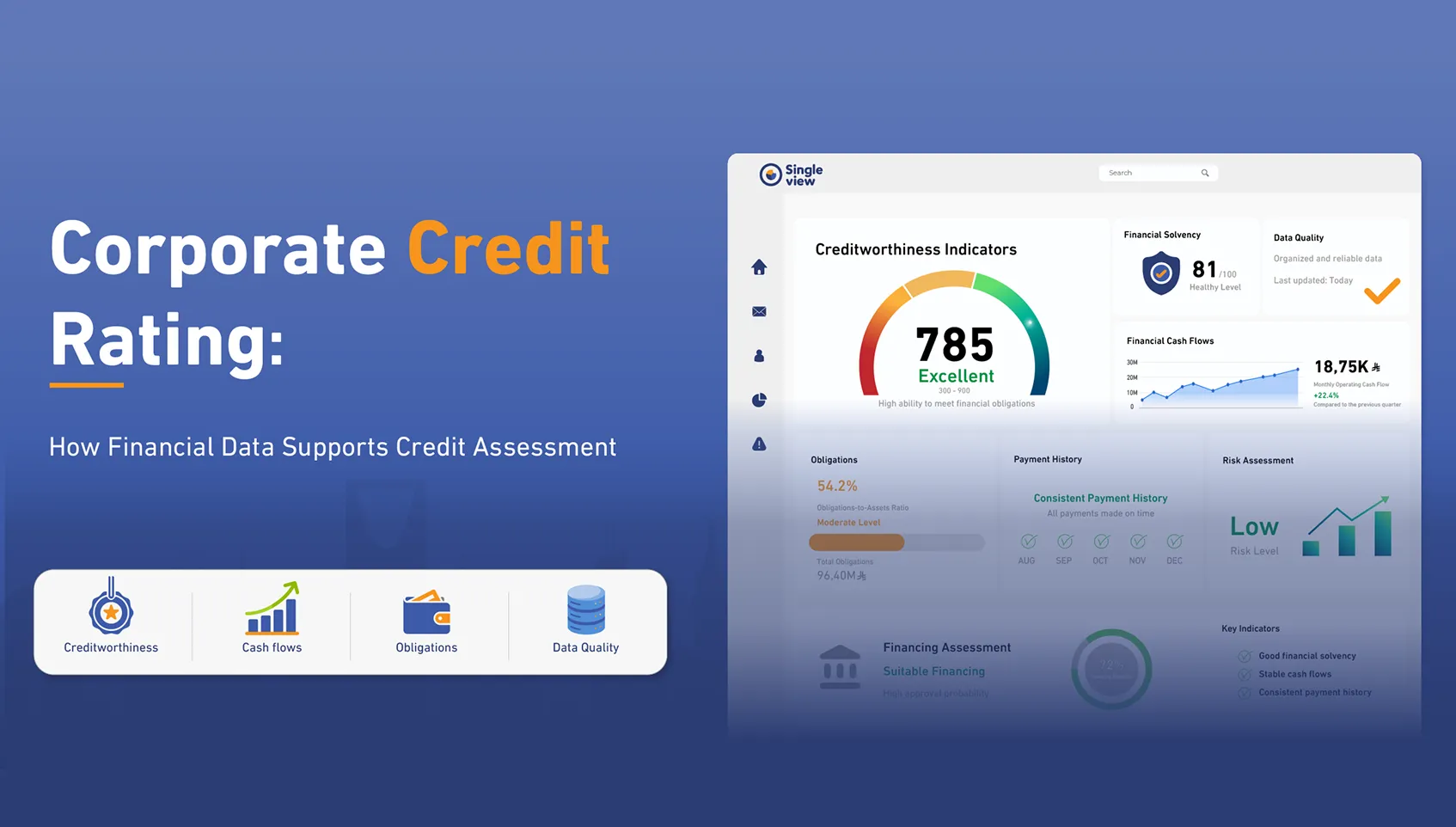
When a financial institution or investment partner needs to evaluate a company's ability to repay, looking at revenue alone is not enough. A corporate credit rating reflects confidence in a company's capacity to fulfill its financial obligations on time, but it becomes significantly more accurate when financial data is clear, up-to-date, and verifiable.
In the Saudi market, companies focus on creditworthiness when expanding, seeking financing, negotiating better terms with suppliers, or managing bank relationships. The key question isn't just: Is the business generating sales? Rather, it is: Does it have stable cash flow? Are its liabilities structured transparently? And can its financial health be evaluated without lengthy manual audits?
This guide explains the factors influencing creditworthiness, how banking data and cash flow dynamics support risk assessment, and the practical role of Open Banking and unified financial visibility—without assuming that technology alone can automatically boost a credit rating.
In practical terms, a credit rating evaluates a company's ability to satisfy its financial obligations on time. Credit risk, on the other hand, represents the likelihood of default or payment delay. As financial data becomes clearer, risk assessment moves closer to reality, replacing fragmented views and delayed reports.
Businesses care about their credit rating because it shapes how banks, investors, suppliers, and financial institutions view their reliability. Credit ratings aren't reserved for public corporations or large enterprises; small and medium enterprises (SMEs) also need to demonstrate clear Financial Health when seeking working capital or negotiating favorable payment terms.
A credit rating directly impacts borrowing costs, approval timelines, credit limits, and commercial trust. Even in the absence of a formal published rating, lenders evaluate businesses internally using similar metrics: liquidity, leverage, repayment history, reporting quality, and Cash Flow stability.
Hence, enhancing data transparency is a core part of growth readiness. A business with organized banking and financial data can present a cohesive picture of its operational health, whereas relying on scattered spreadsheets or delayed bank statements raises questions during underwriting.
Creditworthiness isn't defined by a single metric. It is the result of a comprehensive evaluation of financial and operational variables. While methodologies differ among agencies and lenders, most Risk Assessment models focus on cash generation, obligation management, repayment consistency, and data reliability.
Cash flow reveals a company's ability to turn business operations into available liquid funds. Strong top-line sales on paper mean little if delayed collections or mounting operating expenses strain liquidity. Lenders focus heavily on the regularity of cash inflows and outflows rather than gross revenue alone.
Liabilities encompass loans, deferred payments, accounts payable, payroll, and lease commitments. When obligations are structured and scheduled, assessing Debt Capacity (the ability to service additional debt) becomes straightforward. Unrecorded or outdated obligations obscure risk analysis.
Repayment history demonstrates how a company handled past commitments. Consistent punctuality signals low risk, whereas frequent delays prompt caution. Maintaining a strong repayment track record requires organized data, as relying on memory or disconnected files fails under formal financial review.
Data quality is often overlooked yet critical. If bank accounts are spread across multiple institutions, reports are compiled manually, and beneficiary details are outdated, forming an accurate financial picture becomes difficult. Here, the challenge lies not only in financial performance, but in data legibility.
| Data Type | Question It Helps Answer | Impact on Risk Assessment |
|---|---|---|
| Cash Flows | Are funds entering and leaving in a stable pattern? | Clarifies operational repayment capacity. |
| Upcoming Obligations | What is the volume of payments due in the near term? | Highlights expected liquidity pressure. |
| Bank Account Activity | Does account activity reflect actual business operations? | Reduces reliance on delayed or fragmented reporting. |
| Beneficiary Data & Payments | Are payouts made to verified and reviewed accounts? | Minimizes operational errors that affect financial discipline. |
Banking data adds an operational layer to risk assessment by reflecting live transaction activity. Financial statements provide essential periodic snapshots, but organized access to account activity, cash flows, and disbursements delivers a real-time view of daily liquidity.
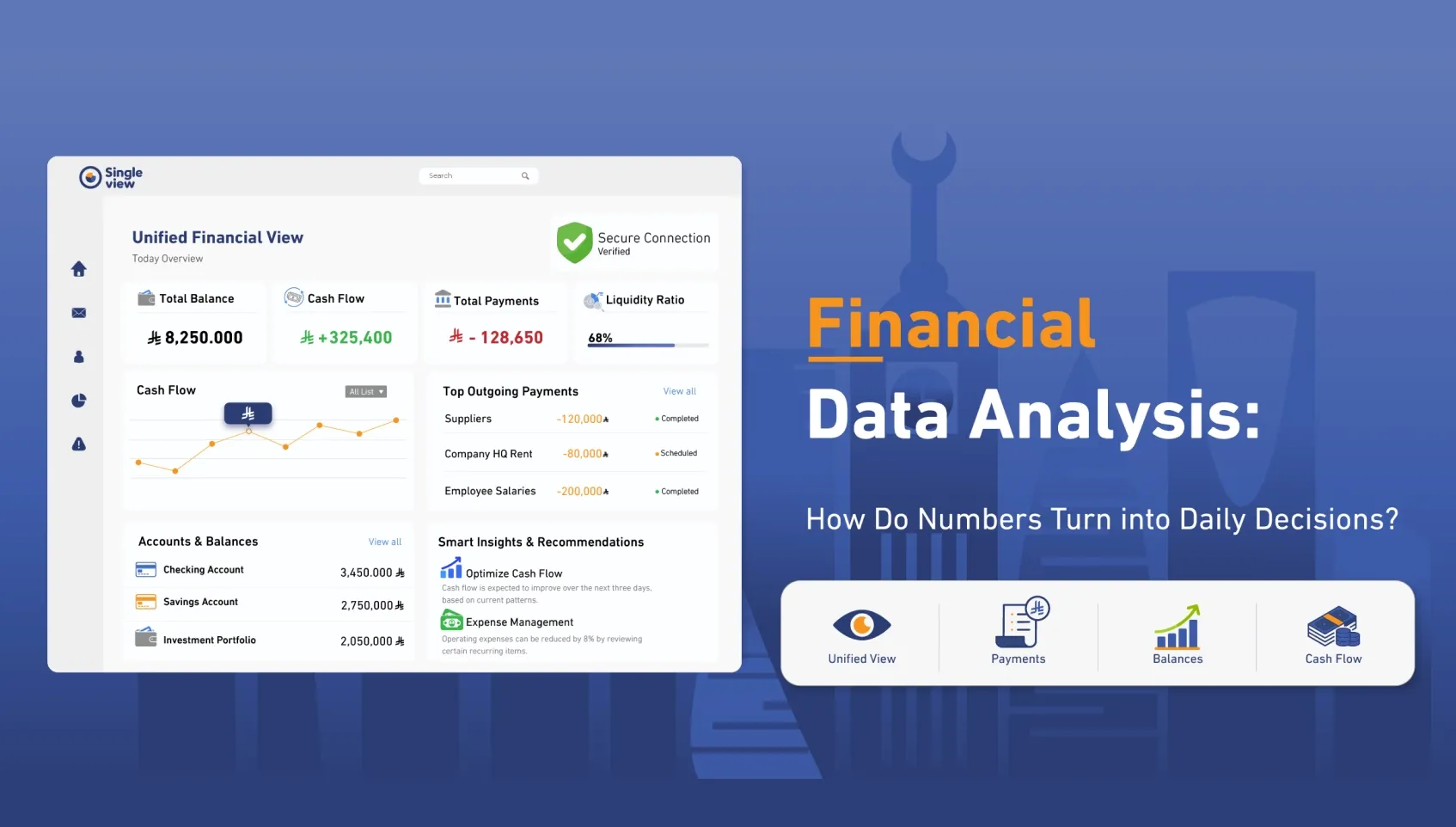
Value is created when a CFO looks beyond current balances to understand cash sources, recurring expenses, major transfers, upcoming obligations, and collection-disbursement gaps. This data-driven perspective doesn't automatically grant a credit rating, but it grounds credit discussions in verifiable facts.
For companies operating multiple bank accounts, individual balances may appear healthy while the aggregated view reveals liquidity stress or concentration risk in specific payouts. Therefore, high financial data quality empowers management to articulate its position clearly to lenders or board members.
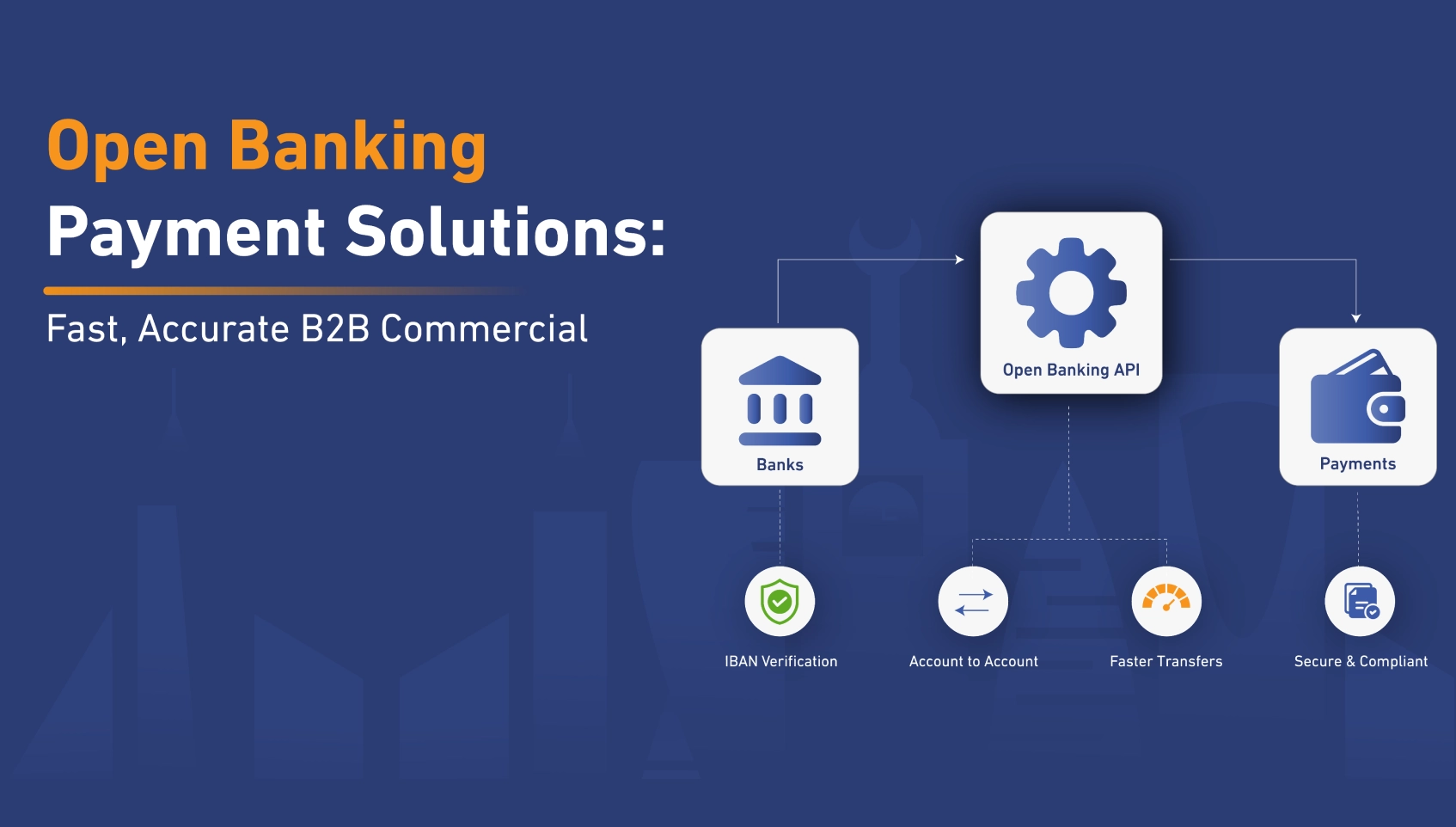
Open Banking enables secure, consent-based financial data sharing via standardized APIs between institutions and authorized service providers. When implemented effectively, Open Banking allows enterprises to consolidate bank accounts and cash flow data automatically instead of manually extracting files from separate portals.
This does not mean Open Banking Data replaces credit underwriting or lender decisions. Rather, it elevates the quality of data inputs used in analysis—balances, transaction velocity, obligations, and behavioral shifts. Clearer inputs lead to more practical discussions around risk and debt serviceability.
For SMEs lacking long credit histories or complex internal reporting, structured banking data helps build a transparent financial profile—a key advantage when seeking growth capital or operational financing.
SingleView serves as an aggregation and visibility layer—not as a substitute for credit rating agencies, banks, or underwriting decisions. By bringing accounts, payments, and banking data into a unified dashboard, SingleView provides finance teams with a stronger foundation to monitor liquidity, track liabilities, and review data before internal or external sharing.
In this context, corporate banking solutions help multi-bank businesses streamline reporting and gain actionable financial visibility. The objective is not to promise an improved credit rating, but to ensure the underlying data used in financial evaluations is accurate and clear.
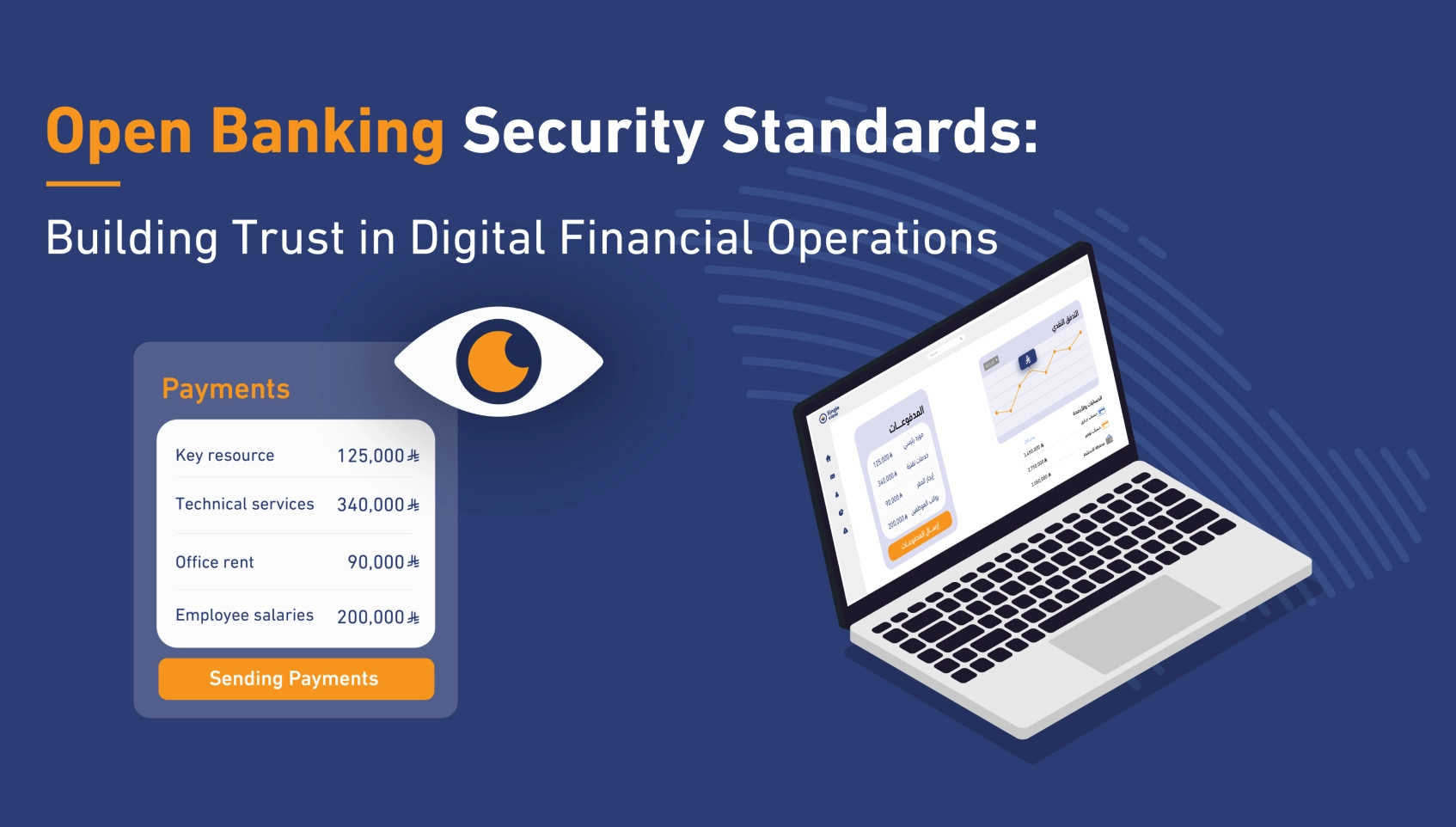
Furthermore, payment accuracy reflects financial discipline. Integrating IBAN check capabilities minimizes beneficiary data errors before executing payouts to vendors or employees. While IBAN verification does not create a credit rating, it fosters disciplined financial operations.
Before initiating discussions with banks or lenders, finance leaders can use this concise checklist to evaluate data readiness:
These steps enable companies to present a cohesive financial narrative. Instead of data scattered across bank portals, accounting systems, and spreadsheets, management gains a clear framework to demonstrate debt capacity and financing needs.
A corporate credit rating cannot be reduced to a single score or report. It is the outcome of a holistic assessment of liquidity, liabilities, cash flows, repayment history, and financial data quality. When data is organized and current, risk evaluation becomes grounded in operational reality rather than manual estimation.
If your company manages multiple bank accounts or is preparing for growth or financing, establishing unified financial visibility is a crucial step. Explore how SingleView can enhance your financial data clarity and streamline account and payment management.