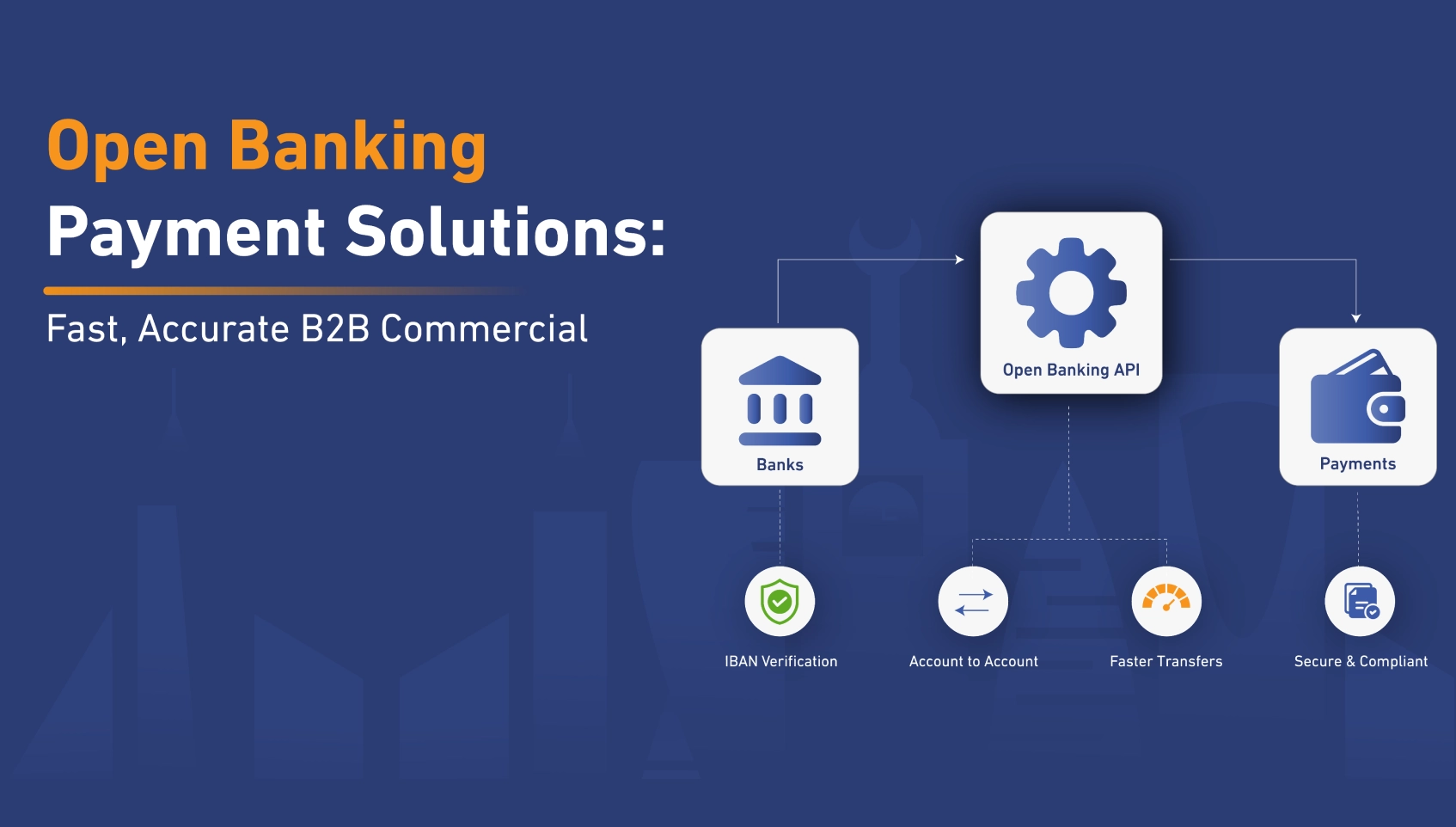
Open banking is a secure framework that enables banks to share financial data with authorized third-party providers, with customer consent. This system relies on APIs (application programming interfaces) to facilitate seamless communication between different financial systems, giving customers access to a broader range of services and products. By promoting collaboration across financial institutions and fintech providers, open banking creates a connected ecosystem where customers can manage their finances more efficiently, compare products, and make payments with ease.
Payment Initiation Service (PIS) is a fundamental component of open banking that enables third-party providers to initiate payments directly from a customer’s bank account, with their permission. Unlike traditional payment methods that require card networks, PIS allows customers to authorize payments quickly and securely through their bank, reducing dependence on credit or debit cards. This streamlined approach supports both one-off and recurring payments, enabling businesses to receive funds directly from customers’ accounts.
For customers, PIS simplifies the payment process with a secure bank login, enhancing convenience and trust. For merchants, PIS offers faster, lower-cost transactions and a better overall payment experience, helping to increase conversion rates and customer loyalty.
In Saudi Arabia, the Payment Initiation Service (PIS) framework is built on top of existing local payment rails (SARIE) system. This infrastructure enables real-time bank-to-bank transactions, allowing merchants to receive funds instantly upon authorization.
By integrating with systems like SARIE, PIS provides an efficient and secure payment solution tailored to the Saudi market. This setup supports faster settlements, lower transaction costs, and an improved payment experience for both merchants and consumers.
When it comes to online transactions, Open Banking payments deliver a streamlined, secure experience. Unlike traditional card payments, Open Banking allows users to authorize transactions through a secure bank login, eliminating the need to enter or store sensitive card information. For businesses, Open Banking payments bring substantial benefits:
| Feature | Open Banking Payments | Other Payment Methods | ||||
|---|---|---|---|---|---|---|
| Apple Pay | Card Payments (Mada, Visa, MasterCard) | Standing Orders | Direct debits | Manual Bank Transfer | ||
| Cost to Merchant | Low | Moderate (Apple’s transaction fees) | High, especially for Visa and MasterCard; Mada has lower fees within KSA | Low transaction fees, but high operational costs | Low | Low transaction fees, high operational costs |
| Settlement Speed | Instant | Instant for transactions, but settlement times depend on bank/card processor | 1-3 days for Visa and MasterCard; Mada offers faster local settlement in KSA | Instant but often requires manual setup | 3-5 days | Instant but setup is manual |
| User Experience | Mobile-optimized, integrated, and automated for online transactions | Smooth, in-app or contactless; convenient for mobile payments | Good when details are saved on file, but requires manual input if not | Manual setup needed | Mixed; setup requires authorization but then automated | Manual, requires login and entering details |
| Payment Conversion | High success rate (>95%) | High conversion rate, especially on mobile | Moderate to high (~85-90%), Mada has higher success rates in KSA | High once setup is complete | High once setup is complete | Requires manual input, which may reduce conversion |
| Security | Strong, through secure bank login | High, with biometric or PIN for authentication and no credential sharing | Good for Mada due to secure local network; Visa and MasterCard rely on cardholder verification | Strong, requires manual authorization setup | Mixed; secure but lacks real-time authentication | Secure, but requires manual credential input |
| Supported Payments | Direct account-to-account transactions, real-time | Contactless in-store, in-app for online purchases | Widely accepted in physical stores and online; Mada is mostly KSA-focused while Visa and MasterCard are global | Primarily recurring fixed payments like savings or bills | Primarily for recurring variable amounts like utilities | Typically for one-time or non-recurring payments |
| Refund | Instant, depending on bank processing times; no intermediary needed | Typically processed as a card refund; dependent on bank/card processor timelines | Standard card refund process (may take 5-7 days) | Not typically supported for standing orders; manual adjustment needed | Available but requires processing time, dependent on bank | Manual refund; can be time-consuming due to reconciliation |
| Transaction Capture Delay | No delay; funds are transferred instantly upon authorization | No significant delay; funds captured instantly but depend on underlying card processor | Delay may occur if payment gateway holds funds until the transaction is fully authorized or verified (usually up to 24 hours) | No delay once authorized, but setup takes time | Possible delay depending on the provider and bank processing times | Delayed capture as funds are manually transferred; often involves manual reconciliation |
For Saudi businesses, integrating Open Banking and PIS isn’t just about keeping up with financial technology; it’s about offering a more connected, efficient, and user-friendly payment experience. By embracing PIS, merchants can expect:
Open banking significantly reduces transaction fees compared to traditional banking methods, allowing businesses to retain more from each sale. By providing a smooth and direct payment option, open banking eliminates unnecessary friction at checkout, leading to higher conversion rates. The convenience also encourages repeat purchases, making it easier to upsell ongoing services like subscriptions and ultimately increasing customer lifetime value.
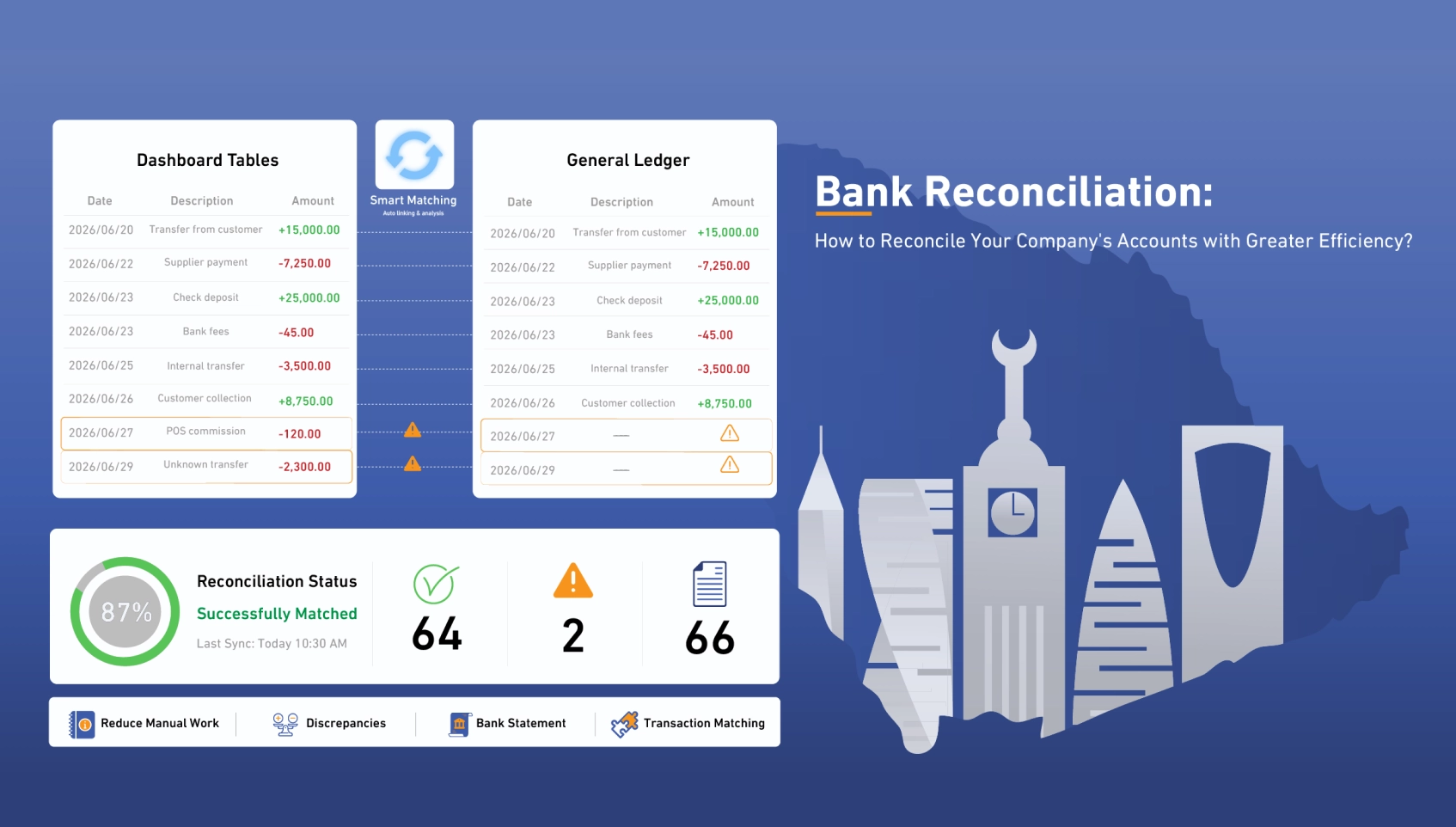
With open banking, payments are processed in real-time, meaning funds land in your account almost instantly. This quick access to revenue enhances cash flow, eliminating delays and reducing the need to chase payments. Additionally, open banking’s automation capabilities streamline processing and reconciliation, minimizing the need for manual intervention. This frees up valuable resources, allowing teams to focus on core business activities that drive growth.
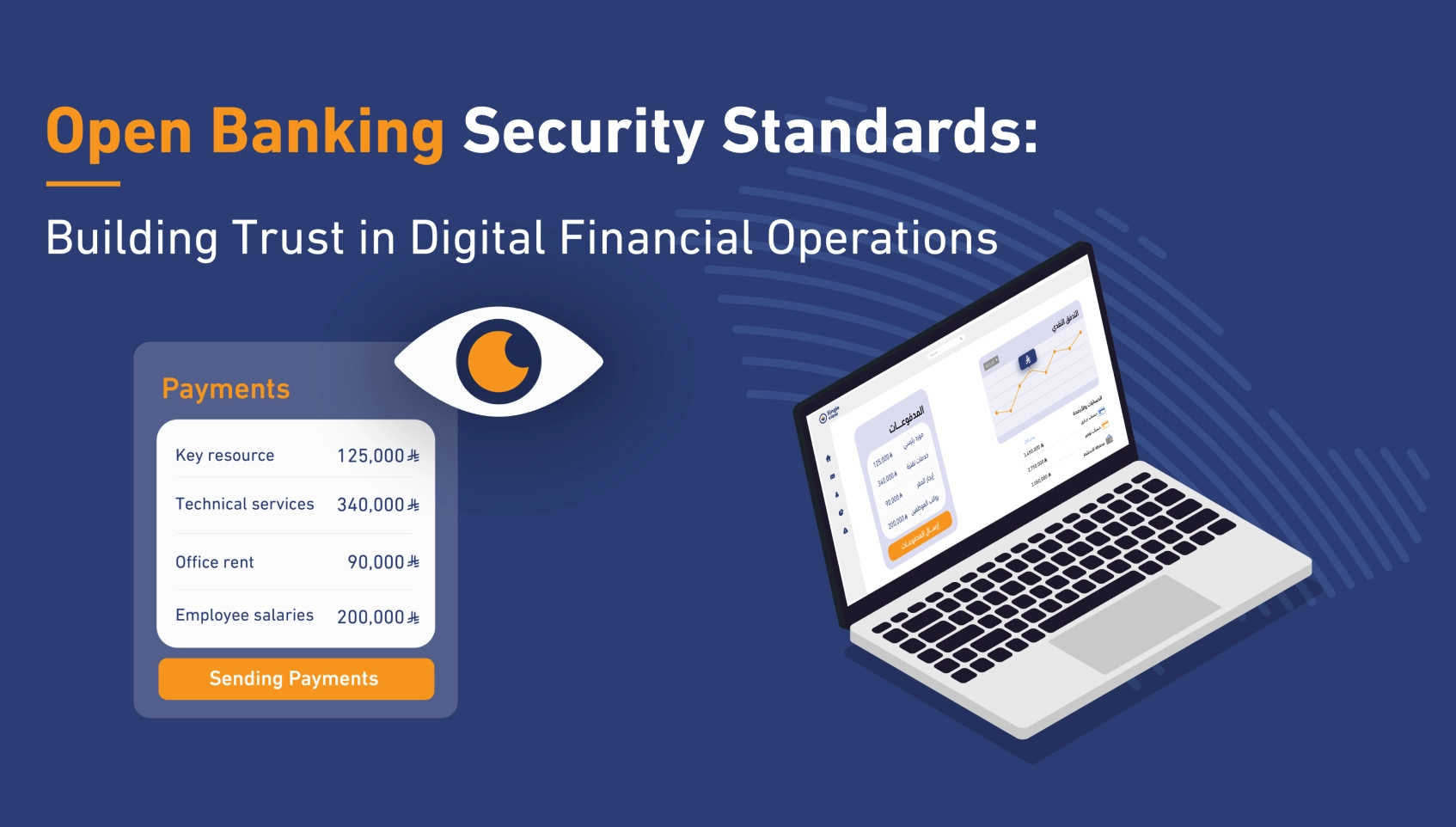
Open banking is built with advanced security measures, governed by strict regulations. By allowing users to authenticate transactions with secure login credentials, open banking reduces the need to store sensitive payment data. This mobile-first approach offers customers a heightened sense of security, knowing that their personal information is safe from fraud and misuse.
As Saudi Arabia advances in Open Banking, the benefits for merchants expand. Businesses adopting PIS will not only meet the modern consumer’s expectations but also gain operational efficiencies, preparing them for a digital, secure, and integrated financial future. Open Banking and Payment Initiation Services are driving Saudi Arabia toward a seamless, digitally-powered payments landscape.