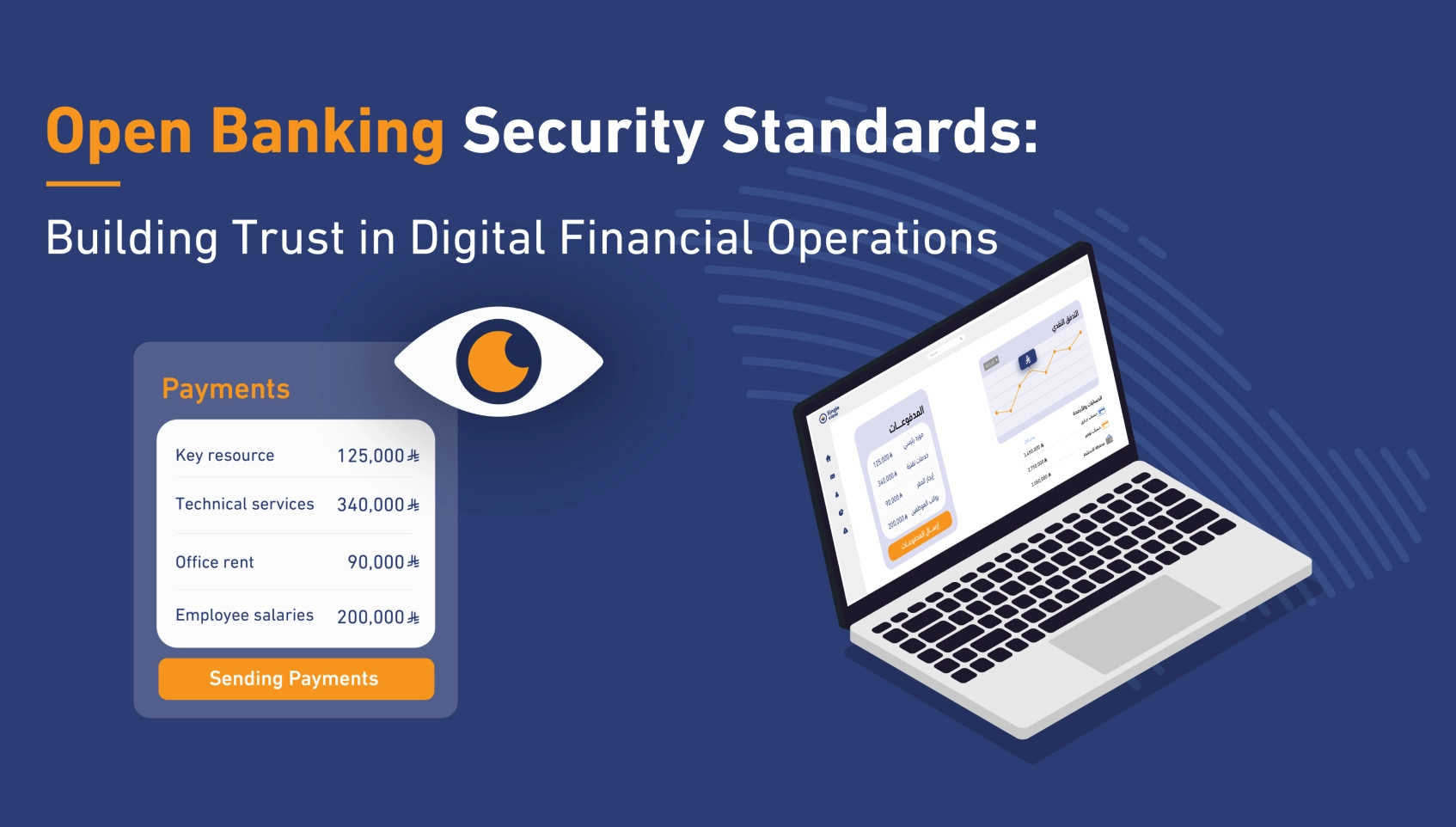
As businesses migrate toward digital treasury tools and open financial platforms, data protection and payment authorization are paramount concerns for CFOs and IT leaders. Sharing financial information across API connections offers tremendous efficiency gains, but it requires rigorous infrastructure to prevent cyber risks and fraud.
This is where open banking security standards play a crucial role. They establish mandatory protocols for encryption, access management, and customer consent—ensuring that connecting banking portals with business tools remains completely safe and compliant.
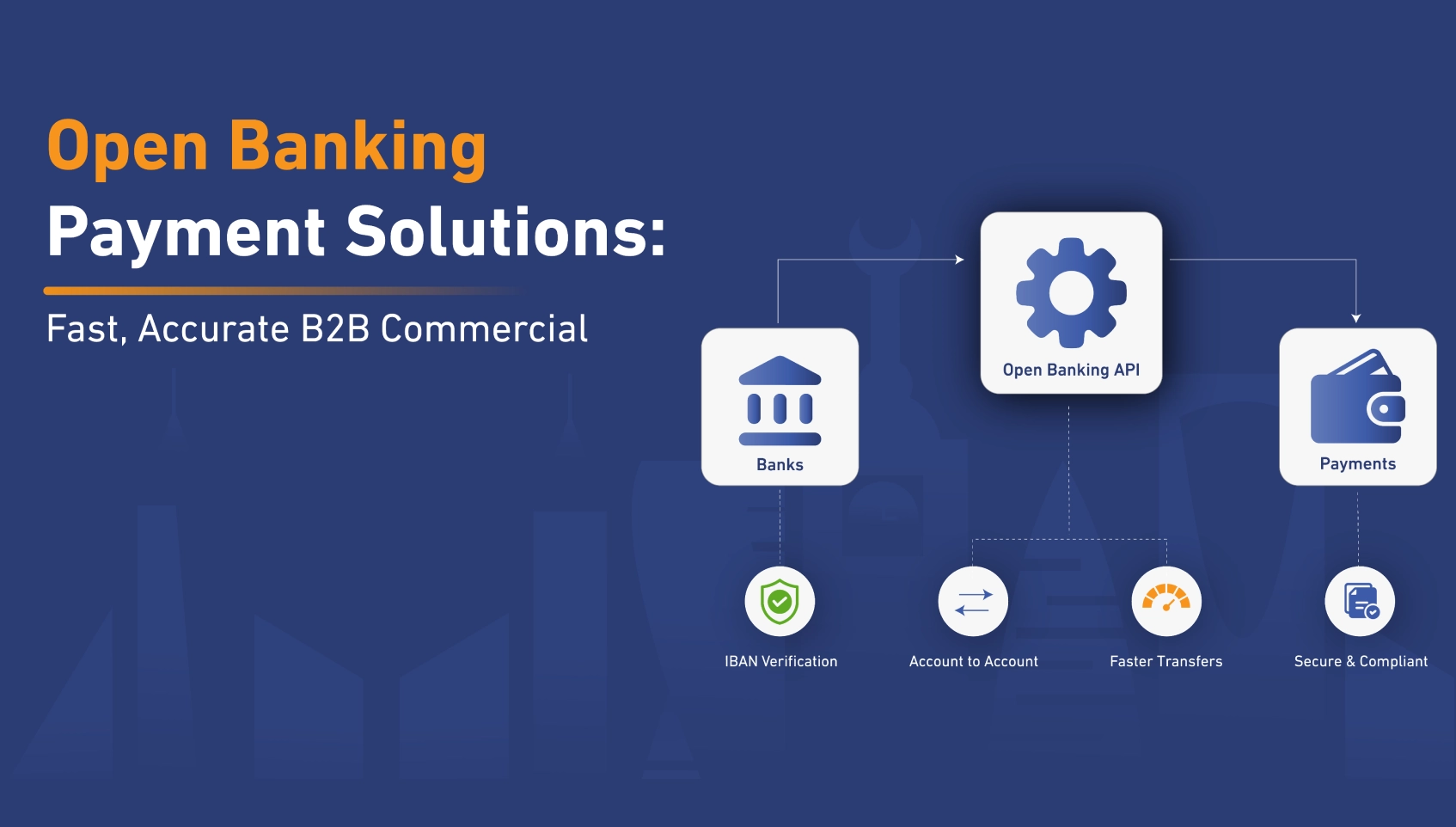
The evolution of open banking relies on secure Application Programming Interfaces (APIs). Unlike legacy credential-sharing methods, open APIs eliminate the need to share confidential bank logins with third-party software.
This framework protects corporate banking data through three core layers:
Security isn't just about protecting servers from external hacks—it is equally about ensuring payment accuracy and preventing internal administrative errors or payment fraud.
When businesses process high volumes of supplier transfers or monthly payroll, bad actor intervention poses significant financial risks. Implementing an automated iban verification introduces a critical security layer by checking that the destination account matches bank records before funds leave the company.
Before adopting an open banking solution, evaluate its security credentials against this checklist:
| Security Domain | Operational Standard | Business Value |
|---|---|---|
| API Architecture | OAuth 2.0 / Financial-grade API (FAPI) | Eliminates password sharing and restricts data access. |
| Authentication Protocol | Hardware/Biometric Multi-Factor Authentication | Prevents unauthorized account access or payment execution. |
| Data Integrity Verification | Pre-payment IBAN and beneficiary match checks | Stops payment fraud and misdirected corporate transfers. |
Adhering to strict open banking security standards transforms security from a compliance hurdle into a business driver. By leveraging encrypted APIs and integrated verification checks, enterprises safeguard their treasury operations while unlocking the full speed of digital financial tools.