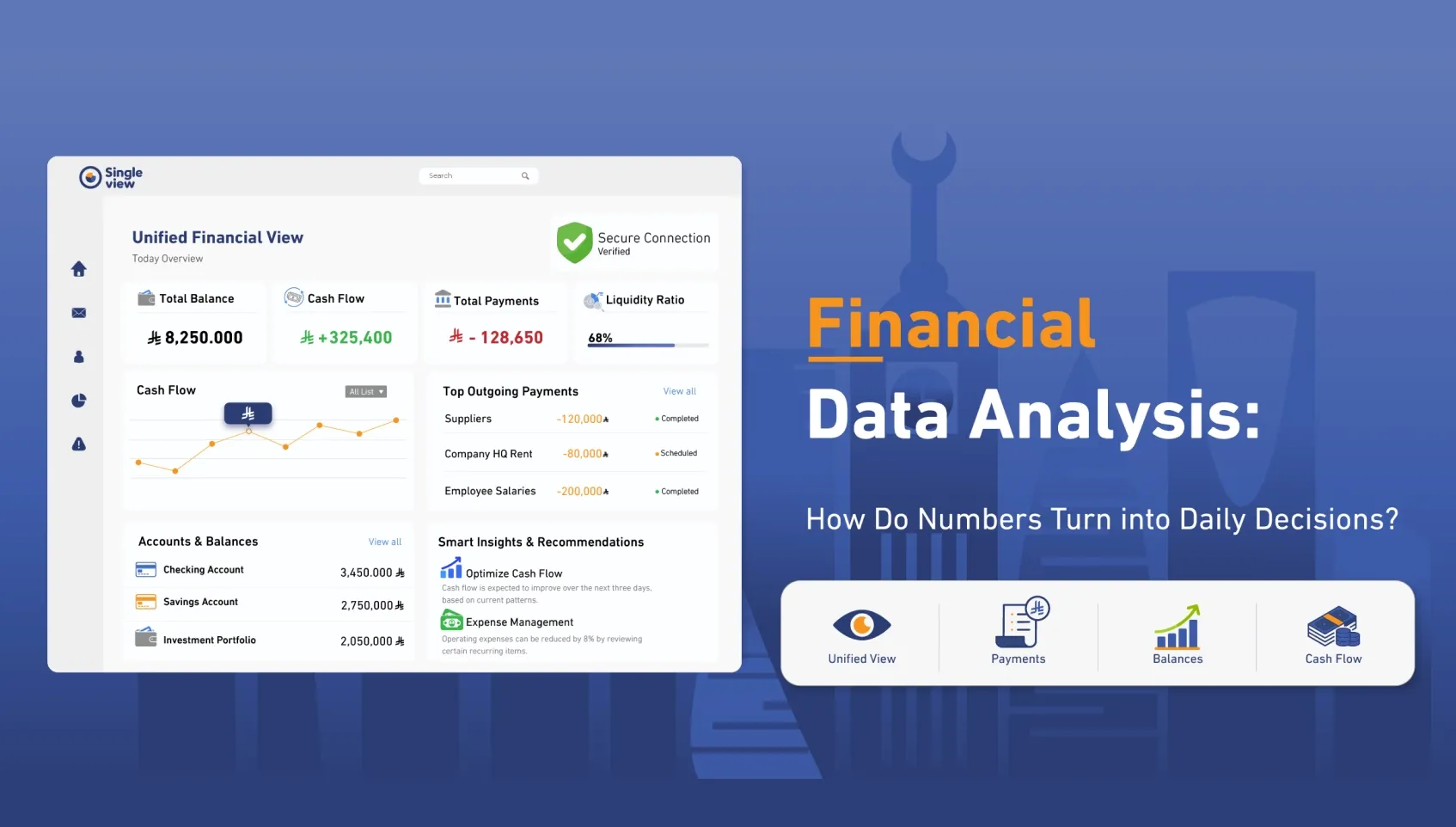
Many companies possess vast amounts of financial data: bank statements, accounting reports, payment files, daily balances, and bank reconciliations. The challenge isn't always a lack of data, but rather turning it into a clear, timely decision. Here lies the true value of financial data analysis—when it moves beyond merely reading numbers to providing actionable insights.
A CFO doesn't just need to know what happened at the end of the month. More often, they need to know whether current liquidity is sufficient for this week's payouts, which bank account holds an unutilized balance, and what upcoming commitments might strain cash flows.
In practical terms, financial data analysis is the strategic use of financial statements, bank accounts, payments, and cash flows to understand a company's financial position and make more accurate decisions. When data is unified and up-to-date, analysis becomes a daily tool for liquidity management rather than a delayed post-period report.
Analyzing financial statements is crucial because it highlights performance, profitability, and overall financial standing. However, it often reflects a period that has already ended. While this analysis helps management grasp broad trends, it cannot answer daily operational questions on its own: Can we execute a large payment today? Is there available cash in another account? Will expected receivables arrive before an obligation is due?
This is why companies need to connect Financial Statements with real-time banking and operational data. Traditional financial analysis explains past results, whereas financial data analysis connected to active accounts and flows helps read the current status and empowers teams to act before an issue surfaces in a month-end report.
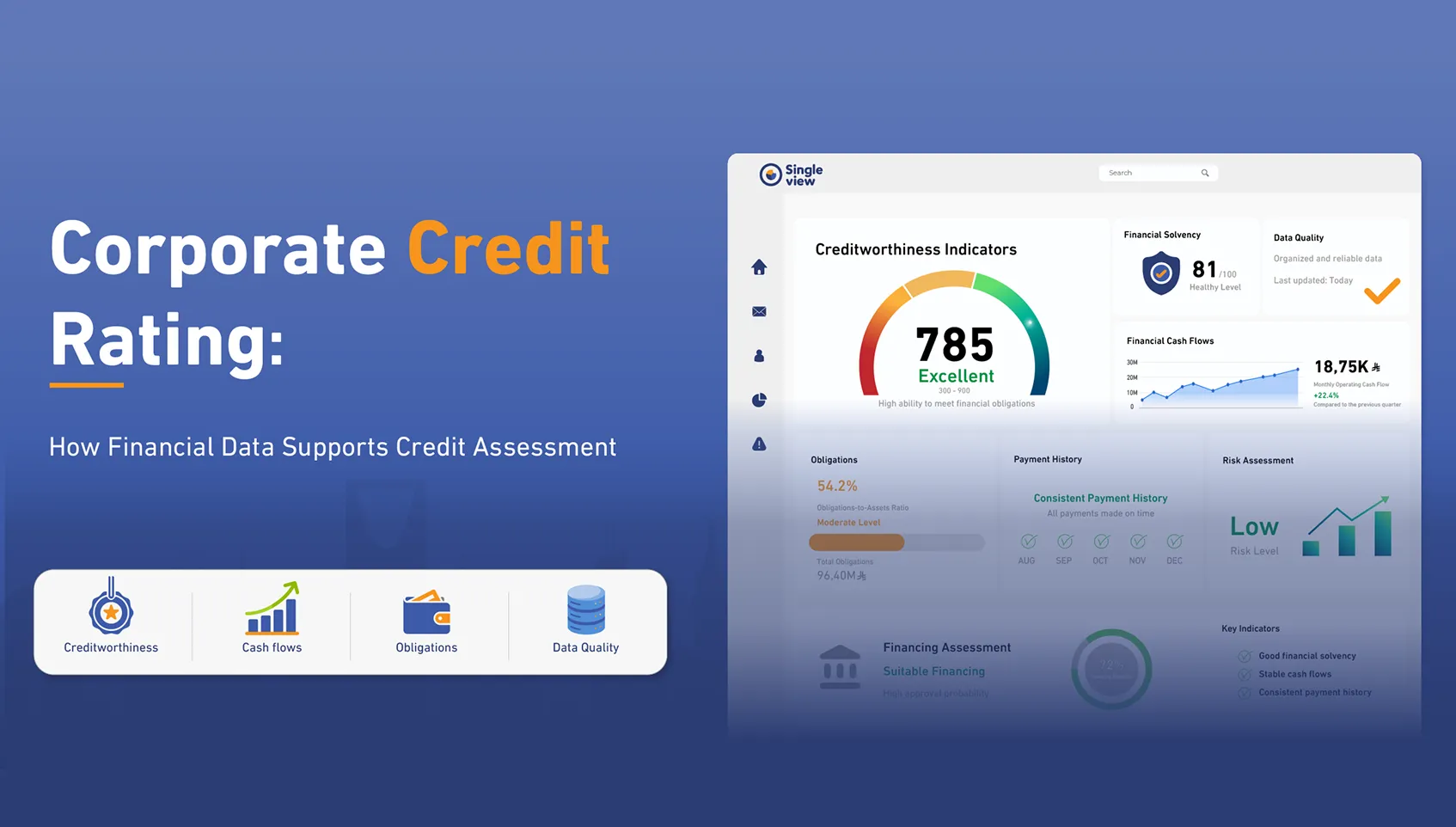
Not all data carries the same weight. A company might have dozens of reports, but daily financial decision-making requires a specific set of metrics that clarify liquidity, cash movement, commitments, and beneficiary data quality. As this data becomes unified, the need to manually gather it across multiple systems disappears.
Bank balances shouldn't be read as isolated figures, but as a liquidity map. A company may have sufficient total cash, but if it is fragmented across various accounts or banks, the treasury team needs an aggregated view to determine the best account for payments, which account needs an internal transfer, and which one requires close monitoring before the day ends.
Cash flows reveal the trajectory of money within a company: What is coming in? What is going out? And when is it happening? Utilizing Cash Flow Analysis isn't just about recording movements; it's about understanding the timing gaps between collections and disbursements and assessing their impact on liquidity management and upcoming obligations.
Payment decisions depend on more than just current balances. Today's balance might look healthy, but upcoming payroll, supplier dues, government fees, or loan installments can instantly shift the picture. Therefore, companies must link scheduled payouts with projected balances so that an accounting-wise sound decision doesn't turn into an operational strain on liquidity.
Before selecting any tool or platform, a financial manager can evaluate the company's readiness using a simple framework. The goal is not to accumulate more figures, but to determine whether current data enables fast, reliable decision-making. This serves as a practical starting point for finance and treasury teams:
| Practical Question | What It Reveals | Impact on Decision-Making |
|---|---|---|
| Are balances unified across all accounts? | The level of clarity on actual available liquidity. | Selecting the most suitable account for payment or transfer. |
| Are cash flows updated in real time? | Gaps between collection and disbursement schedules. | Deferring or advancing payouts based on projected balances. |
| Are clear financial KPIs established? | The team's ability to measure performance via key metrics. | Improving operational tracking instead of relying on general impressions. |
| Is beneficiary data accurate and reliable? | The quality of bank account and IBAN information. | Reducing payment errors and manual reconciliations. |
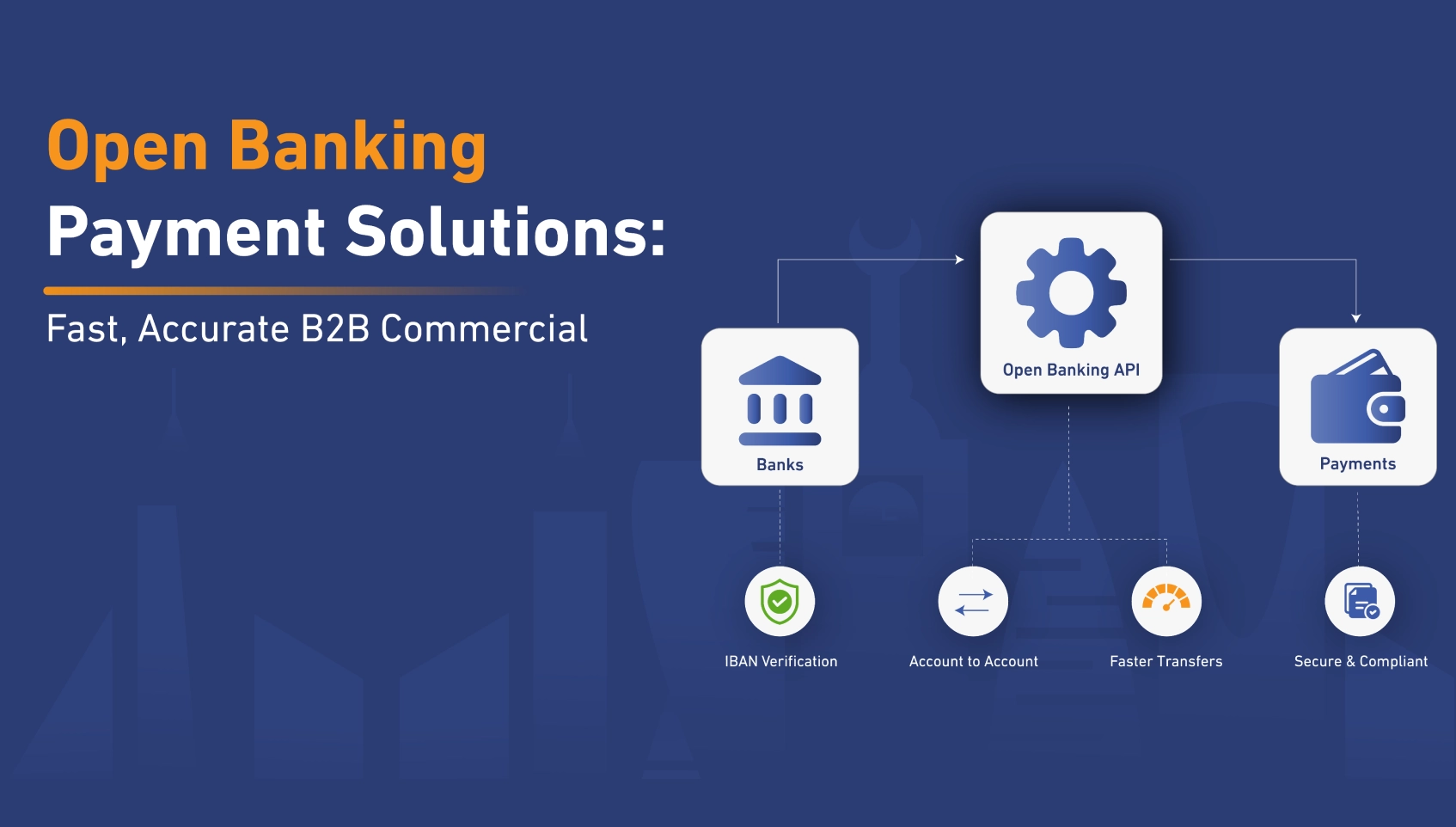
Open Banking helps enterprises access financial and banking data in a structured, seamless manner, replacing the tedious routine of downloading statements or manually merging disconnected files. The value goes beyond technical integration—it establishes a stronger foundation for aggregating and analyzing data within a unified context.
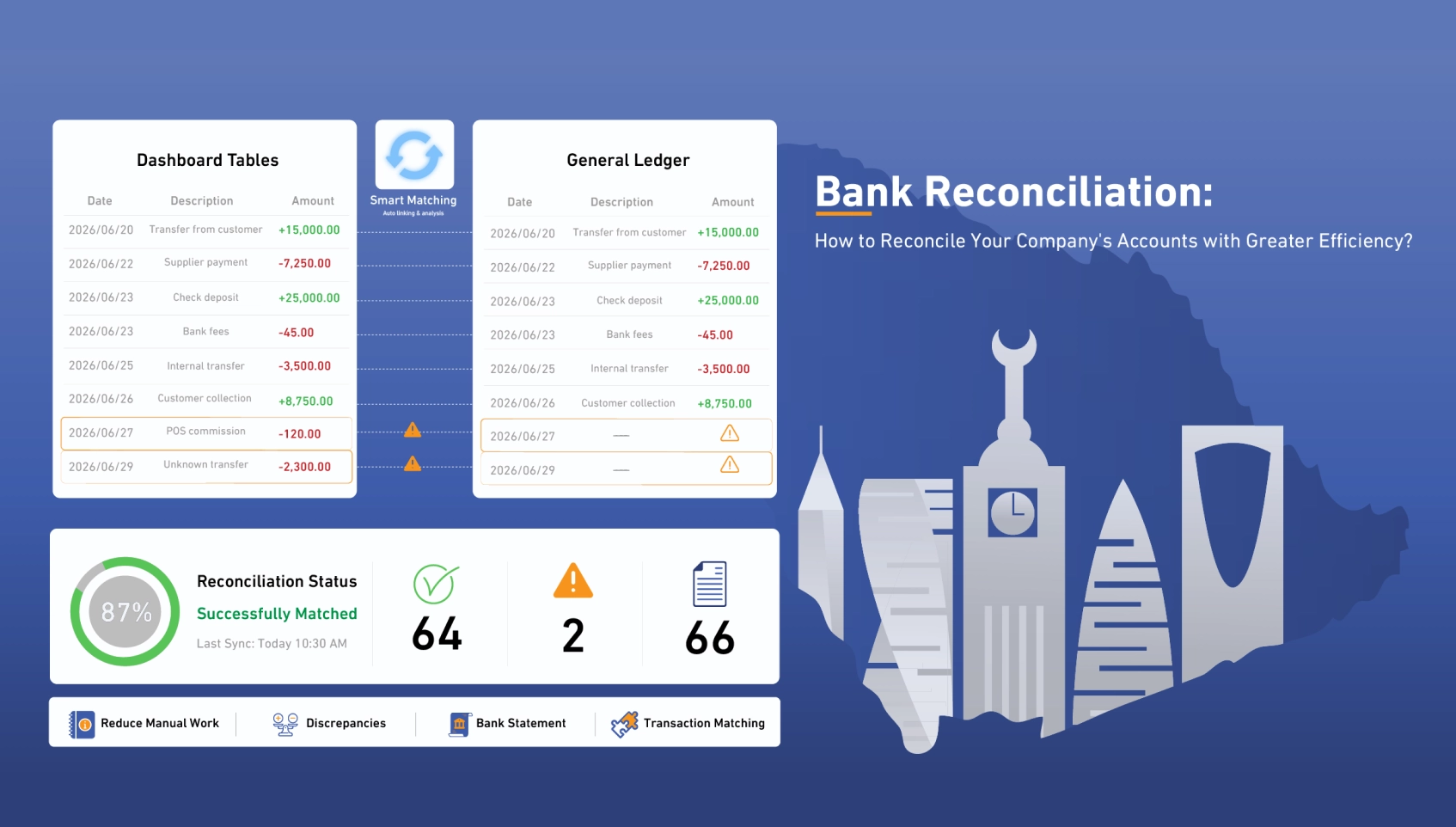
When Open Banking Data is available in an organized environment, Data Aggregation (consolidating data from multiple sources) becomes an automated, repeatable process rather than a time-consuming manual task. This enables finance teams to compare balances, transactions, and payments with greater clarity and generate reports that reflect real-time conditions.
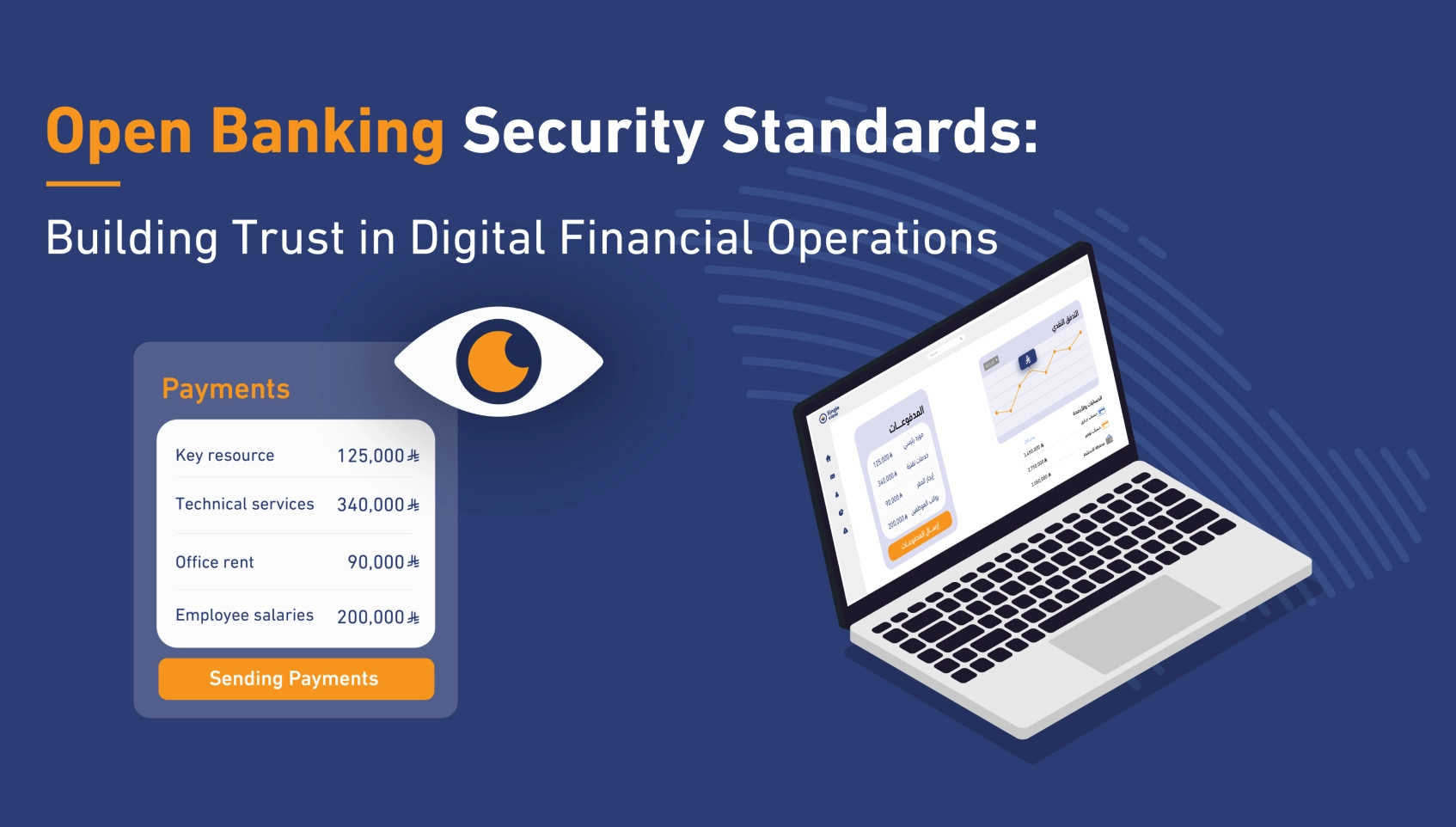
Nevertheless, Open Banking does not replace internal policies. Companies still require defined authorization levels, reviews, and internal approval workflows for payouts. Its true value shines when unified data integrates with corporate governance, making analysis faster without compromising precision or accountability.
When banking and operational data become accessible from a single location, daily routines transform. Instead of starting the day manually compiling numbers, the team begins with the key question: What decision is needed now?
These benefits are especially evident in companies managing multiple bank accounts or distributed teams handling payments. In these environments, financial data analysis evolves from a purely reporting function into a mechanism that streamlines operations across Treasury, Accounting, and Operations.
SingleView empowers companies to transition from fragmented financial tracking to a clear, unified view of bank accounts and financial data. Within corporate banking, finance teams can manage accounts, transactions, and liquidity from a single perspective, significantly cutting down manual labor and elevating monitoring quality.
This doesn't mean analysis becomes fully automated or that decision-making is handed off to software. Rather, SingleView prepares and organizes data clearly, ensuring financial decisions remain tied to company governance, approval limits, and internal controls.
When it comes to payment data quality, analysis can be paired with IBAN verification prior to approving beneficiary details. Precision in vendor and employee account records is a cornerstone of financial data integrity, preventing payment errors that waste time and impact team productivity.
Financial data analysis is no longer limited to reviewing reports after the period ends. In modern corporate environments, its greatest value lies in helping CFOs and treasury teams understand liquidity, track cash flows, and foresee upcoming commitments before making decisions.
If your enterprise operates multiple bank accounts or manages recurring payment flows, establishing a unified financial view is a critical step toward optimizing daily financial analysis. Explore SingleView solutions for account management, liquidity, and payments to gain a clearer, actionable financial vision.