Blog Why Unified Financial Visibility Became a Necessity: An Economic Perspective on SingleView’s Role in Corporate Liquidity
Why Unified Financial Visibility Became a Necessity: An Economic Perspective on SingleView’s Role in Corporate Liquidity
Financial management in modern companies is no longer a purely accounting function. It has become a question of perspective—the ability to see the full picture in a world where financial intermediaries continue to multiply. According to World Bank data, there are now more than 30,000 banks and financial institutions operating globally, each with its own digital infrastructure, operational rules, and way of presenting financial data. What appears, on the surface, as diversity and resilience in the global financial system often turns—inside companies—into a growing administrative burden as businesses scale and bank accounts multiply.
From an economic standpoint, the issue is not the number of banks itself, but the loss of coherent financial visibility that follows. Global consulting studies, including research by McKinsey, show that finance teams in large organizations spend between 60% and 70% of their time collecting data, reconciling accounts, and preparing reports—rather than analyzing information and supporting decision-making. This is where Peter Drucker’s insight becomes strikingly relevant:
“The greatest danger in times of turbulence is not the turbulence itself, but acting with yesterday’s logic.”
When liquidity is managed through disconnected platforms and manual tools, financial decisions inevitably become delayed—regardless of how accurate the underlying numbers may be.
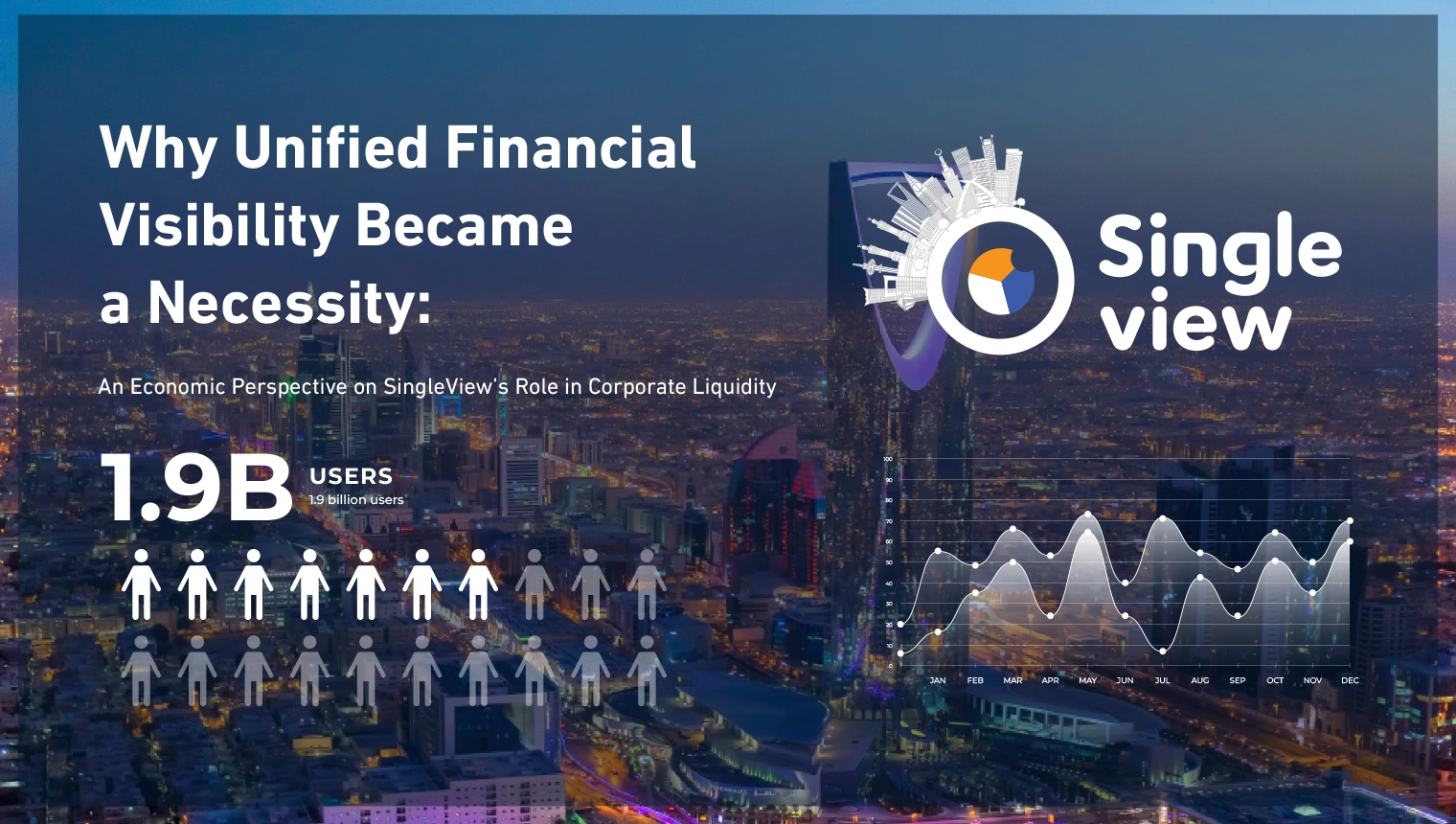
This challenge intensifies as digital transformation accelerates. With more than 1.9 billion users worldwide now relying on digital banking services, companies increasingly operate across multiple markets and banking systems simultaneously. In this context, the central question facing financial leaders is no longer how many accounts do we manage? but rather do we have a unified view that allows us to understand our cash position in real time?
When Financial Management Turns from Support Function into Operational Burden
The real problem begins when companies grow while their financial tools remain rooted in outdated logic. As operations expand, new accounts are opened for payroll, suppliers, subsidiaries, currencies, and regional markets. Layers of complexity accumulate—often invisible in financial statements but deeply felt in the daily routines of finance teams. Research in treasury and financial management indicates that mid-sized and large companies may manage anywhere between 10 and 50 bank accounts across local and international banks, a number that continues to rise with geographic and digital expansion.
Economically, the cost of this complexity is not limited to banking fees. It lies in wasted time and missed opportunities. Studies within the corporate treasury domain reveal that finance teams spend nearly two-thirds of their operational time on non-strategic tasks: downloading bank statements, performing manual reconciliations, reviewing balances, and navigating approval workflows across multiple platforms. The paradox is clear—the more data available, the harder it becomes to transform that data into actionable insight.
This fragmentation directly affects cash management, the most sensitive nerve of any organization. Without a unified, real-time view of balances and cash flows, companies either adopt overly conservative positions—parking idle liquidity across multiple accounts—or fail to detect emerging cash gaps until short-term obligations are already at risk. As economist Hyman Minsky famously observed:
“Stability breeds instability.”
A system that appears stable on the surface, while its components operate in isolation, quietly accumulates deferred risk.
The cost does not stop there. Each banking platform introduces a separate approval flow, a different permission structure, and a distinct user experience—raising the likelihood of human error and slowing down time-sensitive payments. In a business environment where competitive advantage is measured by speed and precision, a delayed payment or a misjudged cash position becomes a strategic loss rather than a mere operational issue.
From Managing Complexity to Engineering Financial Decisions
In the face of this reality, it is no longer reasonable for companies to manage liquidity as isolated files or disconnected financial islands held together by spreadsheets and individual effort. The real transformation taking place in global financial management is not merely about digitizing processes—it is about redesigning how organizations see money. According to Deloitte, companies that have adopted end-to-end treasury automation and cash-flow analytics have improved the speed of financial decision-making by 30–40% compared to peers still operating through fragmented workflows.
At the core of this shift lies a deceptively simple idea with profound implications: bringing financial data into a single point of visibility. When balances, payments, approvals, and reports are accessible through a unified interface, finance moves from a reactive posture to a predictive one. Gartner data supports this transition, showing that organizations with real-time, consolidated cash visibility are approximately 25% less exposed to short-term liquidity gaps, simply because decisions are no longer made on delayed or incomplete information.
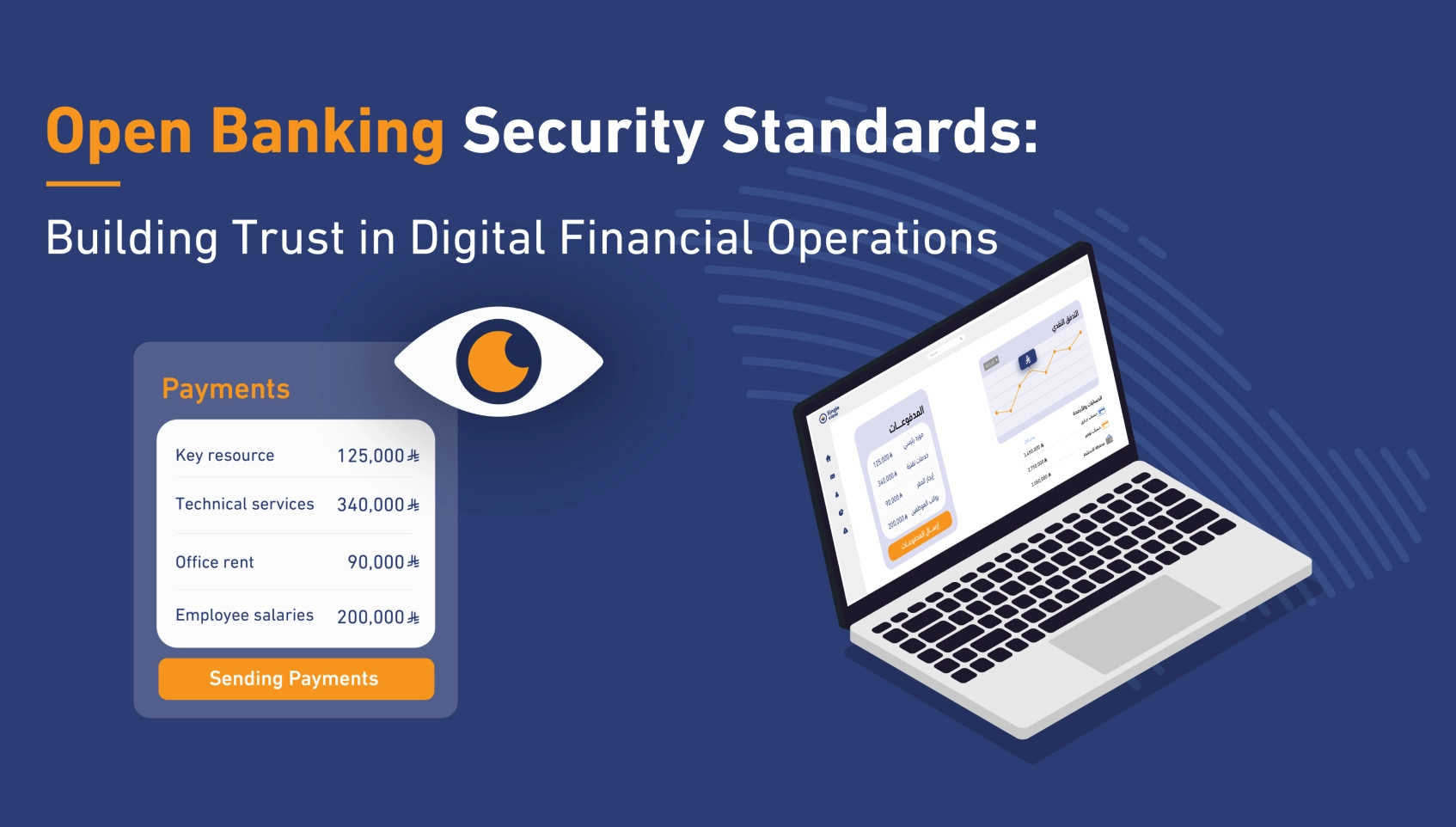
Another dimension quickly emerges—one that is just as critical: governance and control. Banking multiplicity does not only fragment numbers; it fragments authority. Without a unified framework for roles, permissions, and approval paths, operational risk escalates—whether through unauthorized payments or delays caused by overlapping mandates. The value, ultimately, does not come from having many systems, but from how well those systems align within a single, coherent workflow.
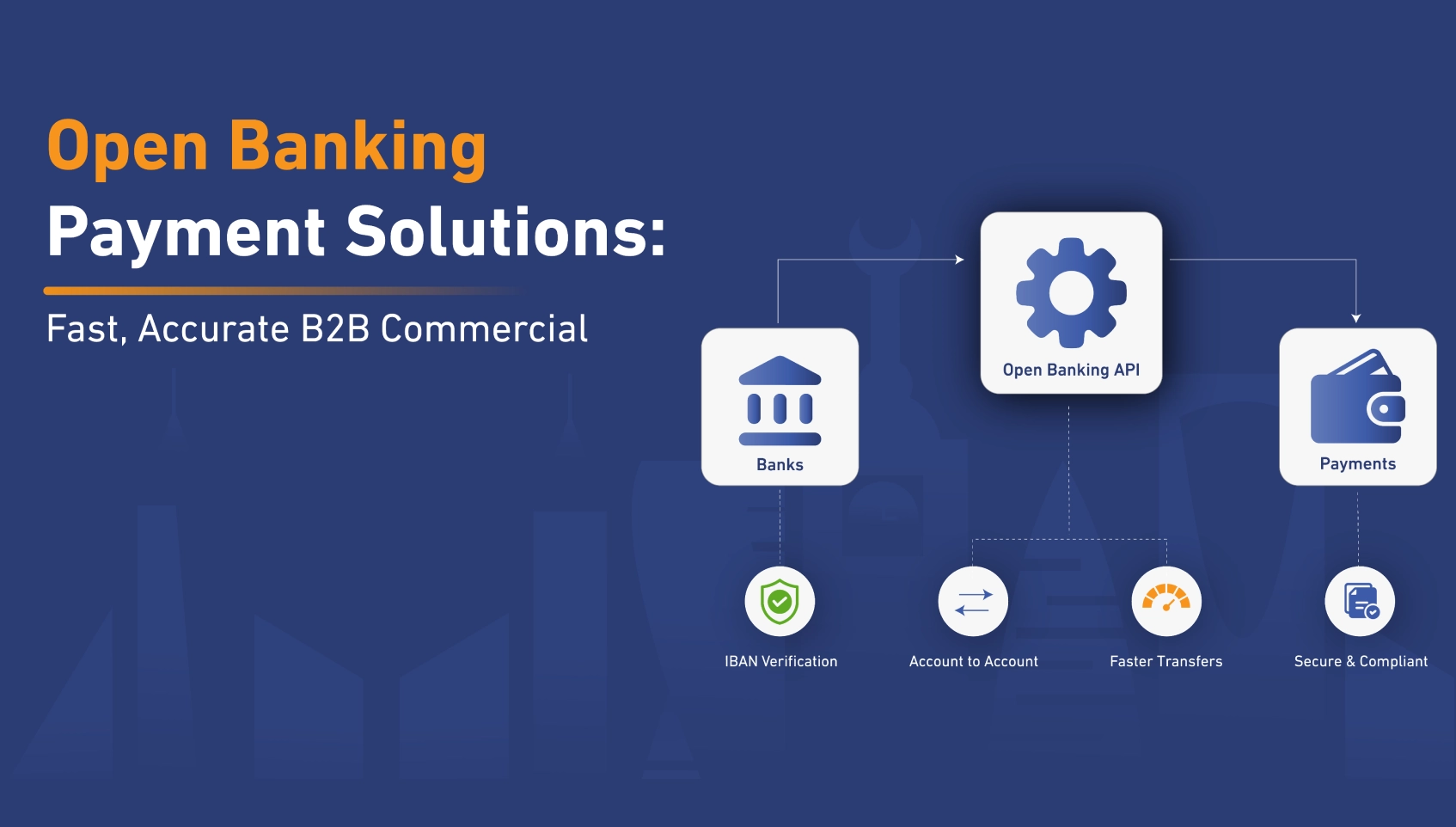
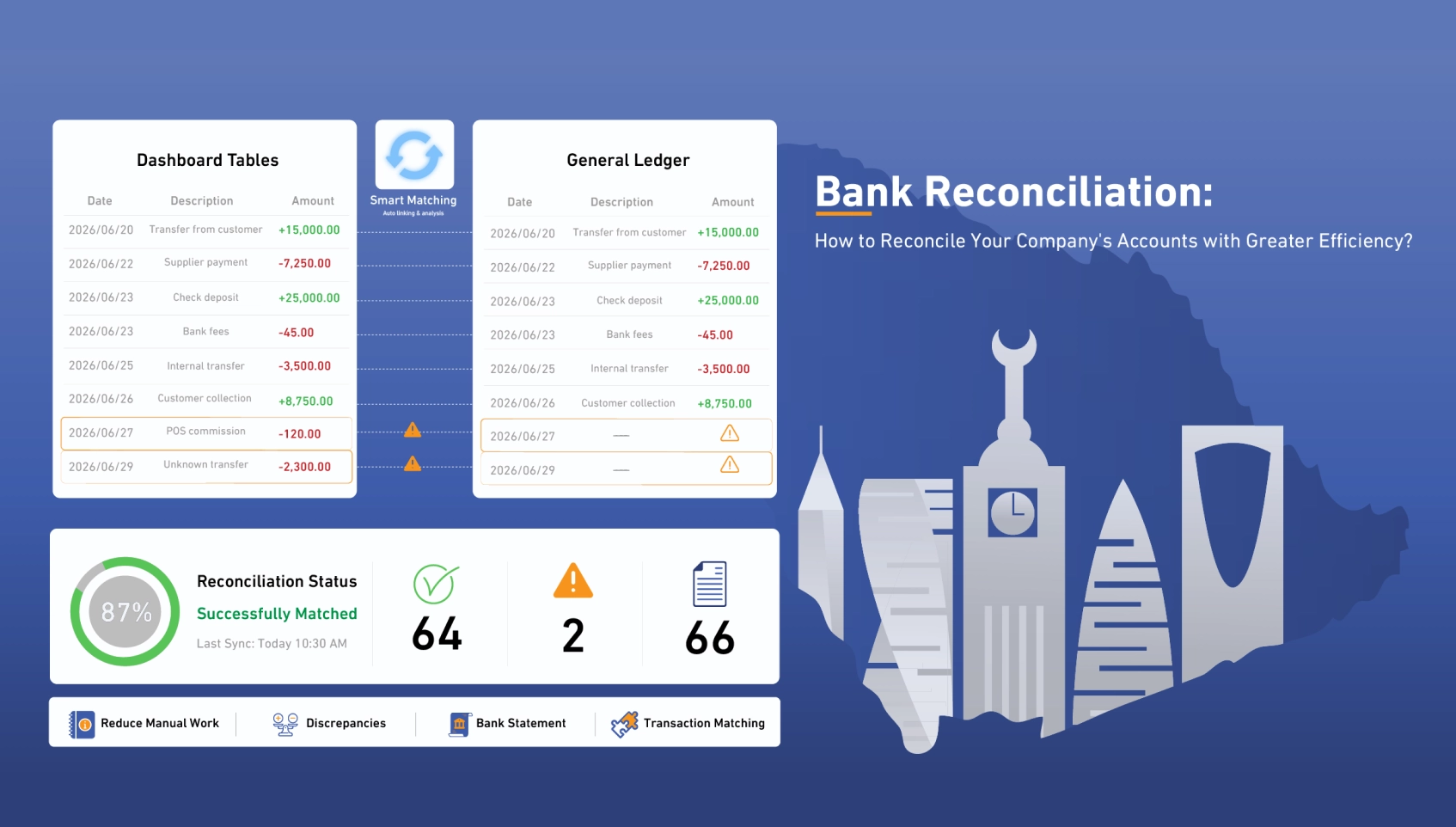
Within this context, unified banking platforms have begun to surface—built on the principles of open banking and intelligent automation. These platforms do not aim to replace banks, but to restructure the relationship with them. Their impact does not stem from a single feature, but from reframing banking multiplicity as a source of flexibility rather than operational friction. By connecting accounts, automating reconciliation, and standardizing payment and approval flows, some organizations have reduced the time required to prepare periodic financial reports by more than 50%, according to studies in the corporate treasury domain.
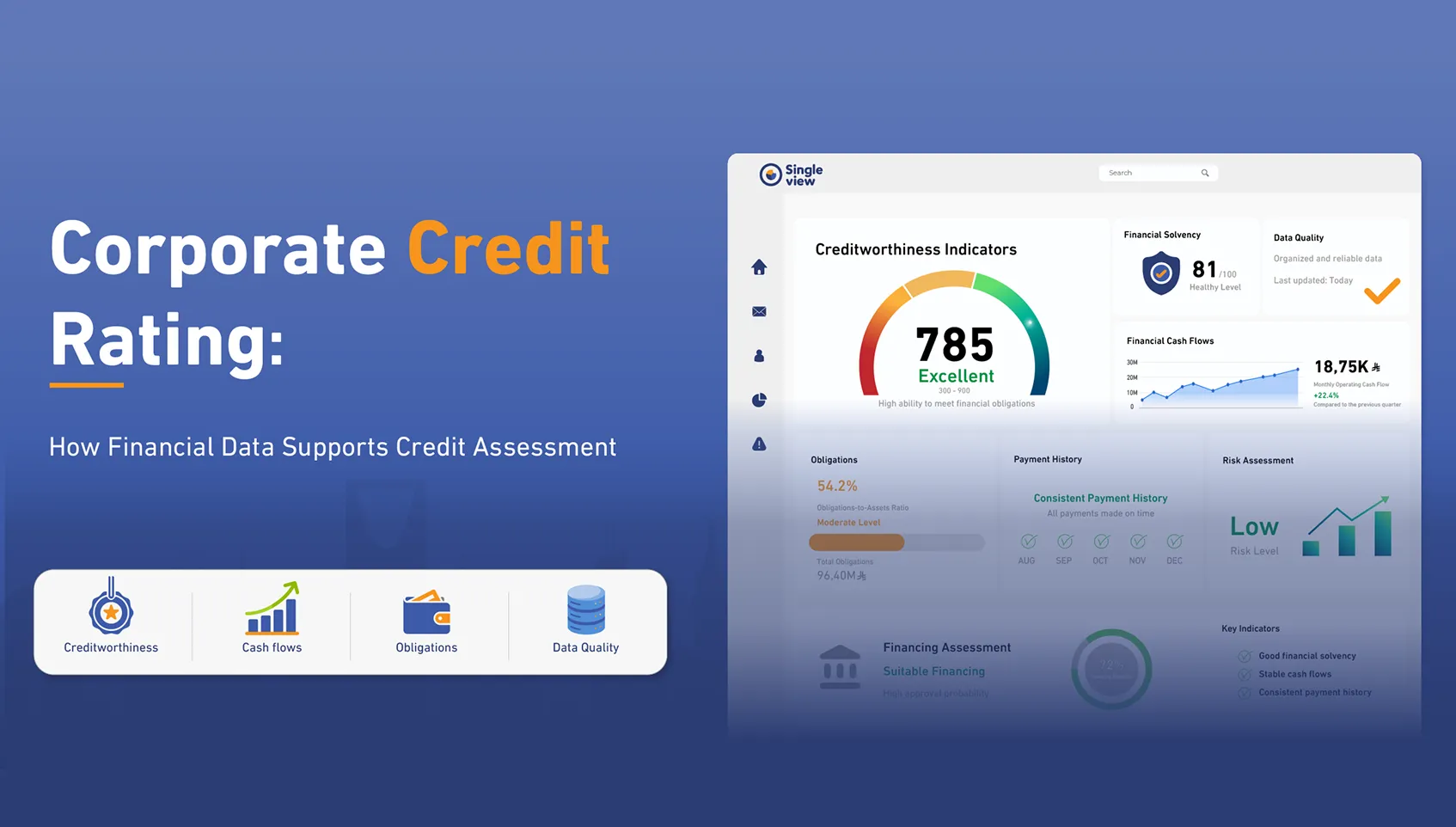
Within this broader shift, practical implementations—such as platforms like SingleView—offer a clear illustration of how the “single interface” concept translates into tangible economic value. Instead of navigating multiple banking portals, finance teams can focus on interpreting the full financial picture, modeling scenarios, and supporting executive decisions with timely, reliable data. This is the real inflection point: from managing accounts… to managing decisions.
As John Kenneth Galbraith aptly summarized:
“The real power in modern economics lies not in ownership, but in organization and understanding.”
When financial data is structured within a unified framework, money stops being a static figure—and becomes a leadership instrument.
When Financial Visibility Becomes a Prerequisite for Growth
Ultimately, in a world where capital moves at unprecedented speed, the core challenge facing companies is no longer the number of banks they work with or the diversity of financial channels—but their ability to turn that diversity into something manageable. Financial management has moved beyond a background support function to become a central pillar of strategic leadership, where success is measured by how clearly the picture forms before decisions are made, not after.
From an economic perspective, experience consistently shows that organizations lacking unified financial visibility tend toward either excessive conservatism or delayed action—both of which carry hidden costs to growth and expansion. When data is presented within a single context, and liquidity is viewed as an interconnected system rather than scattered balances, financial decisions become more balanced and better equipped to absorb risk and opportunity simultaneously. As John Maynard Keynes once warned:
“In the long run we are all dead—but bad decisions kill companies much faster.”
For this reason, unified financial platforms should not be seen as mere technical tools, but as a natural stage in the evolution of corporate financial management. They represent a deeper transition—from account management to financial intelligence, and from tracking numbers to understanding their strategic implications. Within this framework, solutions like SingleView emerge not as exceptions, but as reflections of a broader market direction—toward centralized visibility, automated decision-making, and freeing finance teams from operational minutiae.
In the end, the difference between a company that manages its money and one that is led by it comes down to visibility. When that visibility is unified, banking multiplicity ceases to be a problem and becomes part of a deliberate strength equation. The future of finance is not built on the number of accounts—but on the clarity of decisions.
Demo Booking Simplified: As Easy as a Click
Advanced cash management platform for enterprises that enhances efficiency, privacy, security, manage, and grow!