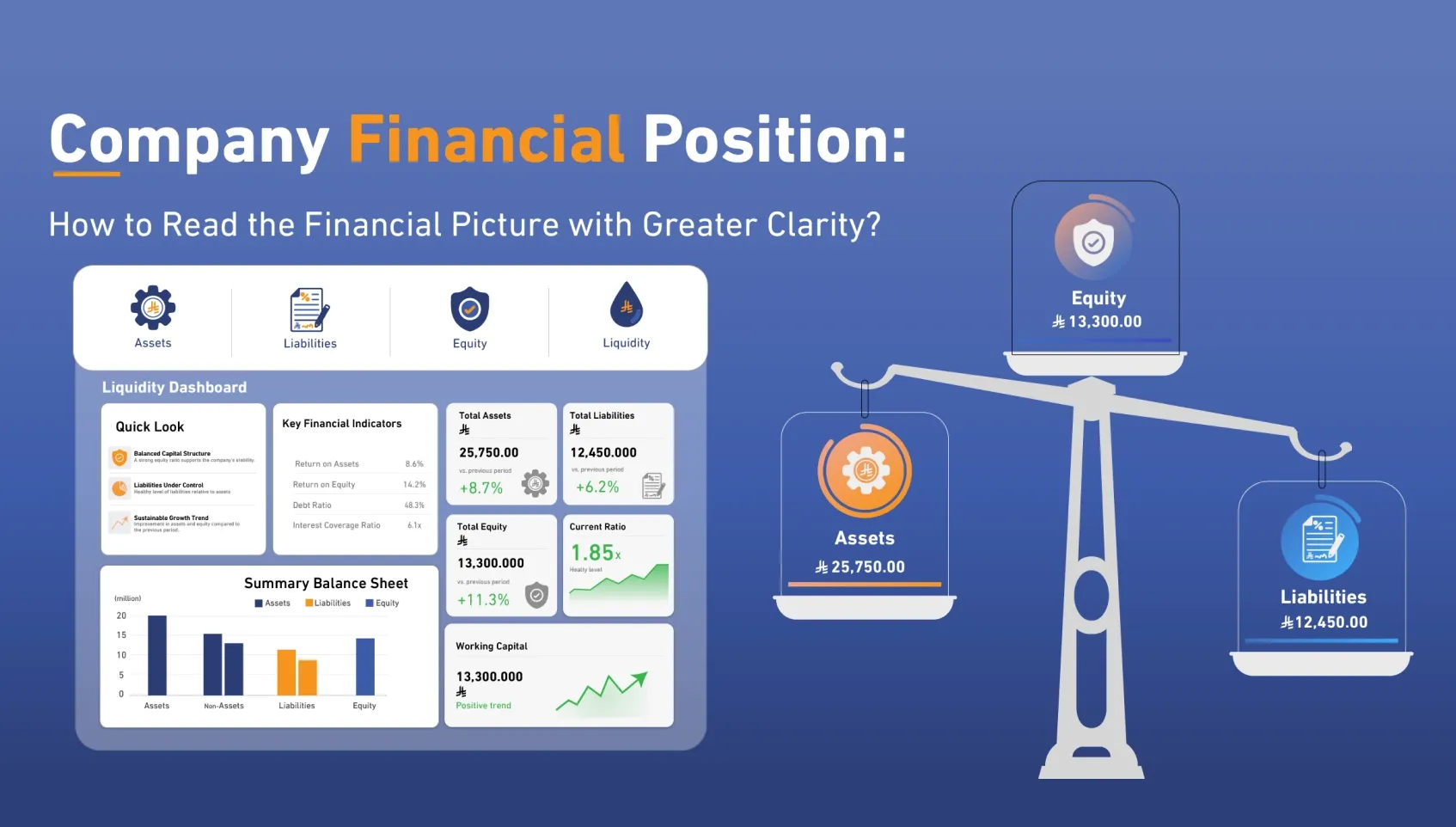
A company's numbers might look good at the end of the quarter, but the crucial question for the management team is: Does the company know its financial position today? Not just after period closing, but before making a major payment decision, extending credit, or transferring funds between accounts.
Here lies the importance of understanding a company's financial position as a practical operational view, rather than just an accounting statement.
A statement of financial position provides an organized snapshot of what a company owns, what it owes, and the remaining equity. However, for businesses managing multiple bank accounts and recurring commitments, waiting for periodic reports isn't enough to assess the ability to meet daily obligations.
This article breaks down the concept simply, connecting it to liquidity management, cash flow analysis, and daily banking data. The goal is to turn the financial position into a practical tool that helps CFOs and business owners read their status with greater clarity within the Saudi market.
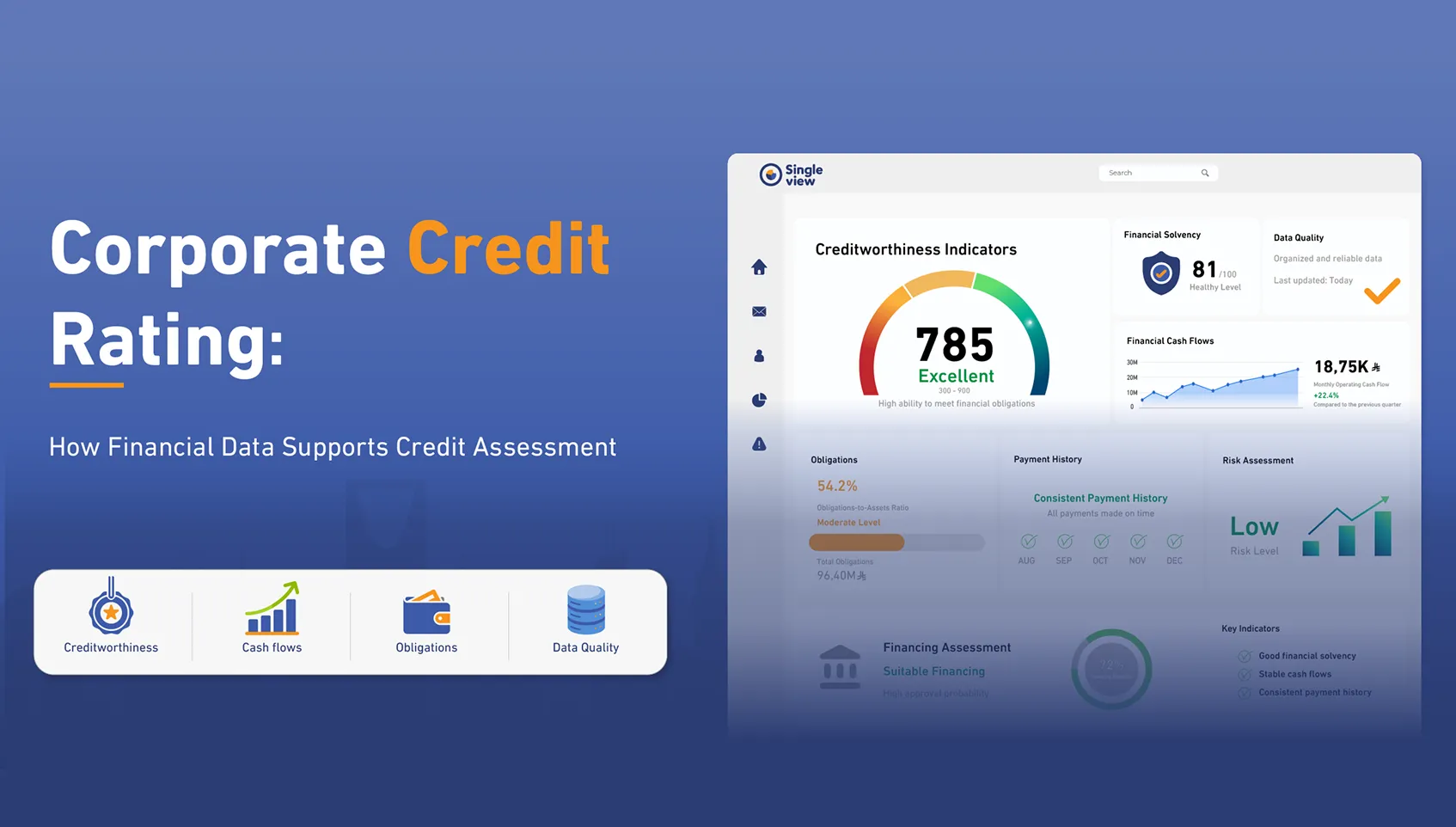
Simply put, a company's financial position illustrates the relationship between assets, liabilities, and equity at a specific point in time. However, it becomes far more valuable when viewed not as a static table, but as a gateway to understanding liquidity, upcoming liabilities, and the company's ability to make safe financial decisions between reporting periods.
The Statement of Financial Position displays a company's assets, liabilities, and owners' equity. Thus, it doesn't measure profit alone; it helps evaluate Financial Health from the perspective of capacity, commitment, and stability.
Practical reading starts with two questions: What resources can the company rely on? And what obligations must be settled? When management analyzes both answers together, evaluating current liquidity, asset quality, and the pressure expected from short-term liabilities becomes much easier.
Not all assets convert into cash at the same speed, nor do all liabilities exert pressure at the same time. A CFO must read these components in a way that connects accounting with daily decision-making. The key is not just the standalone figure, but its timing and how quickly it converts into cash when needed.
Current assets include items closest to converting into cash, such as cash on hand, bank balances, accounts receivable, and inventory. Practically speaking, having large assets on paper isn't enough; they must be usable at the right time. Sales might be high, but delayed collections will strain the Liquidity Position.
Short-term liabilities are payments due in the near term, such as supplier invoices, payroll, loan installments, fees, or scheduled disbursements. The clearer these liabilities are and the better they are linked to available balances, the more disciplined decisions around payment, deferral, or inter-account transfers become.
Equity isn't just the residual figure left after subtracting liabilities from assets. It serves as an indicator of accumulated value within the business and its reliance on self-financing versus debt. Thus, reading equity alongside assets and liabilities reveals the strength of the financial position or underlying vulnerabilities that require attention.
Periodic statements are essential for accounting, disclosure, and auditing, but they arrive after the period has closed. Treasury decisions, however, happen daily: Should we execute a supplier payment? Should we transfer funds between accounts? Is there sufficient liquidity for payroll? Will expected collections arrive before obligations come due?
This highlights the difference between evaluating the financial position at period-end versus reading financial health on a daily basis. The former provides an organized picture for audit and review, while the latter empowers real-time financial management—especially for companies operating across multiple banks or teams handling payments.
| CFO's Practical Question | Data Needed | Impact on Decisions |
|---|---|---|
| Is liquidity sufficient for this week's payouts? | Bank balances + short-term obligations | Prioritizing payments and avoiding sudden cash squeezes. |
| Are current assets quickly collectible? | Collection momentum & accounts receivable | Assessing real expected cash flow rather than just accounting figures. |
| Is there an unutilized bank account? | Unified view of balances across banks | Reallocating liquidity before executing disbursements. |
| Is beneficiary data accurate? | IBAN and account data validation before payment | Minimizing transfer errors and manual reconciliation overhead. |
Banking data brings the financial position closer to daily operational reality. Instead of relying on isolated files from each bank, a unified view consolidates balances, transactions, and upcoming payouts into a single context. This does not replace financial statements, but complements them with real-time operational insights.
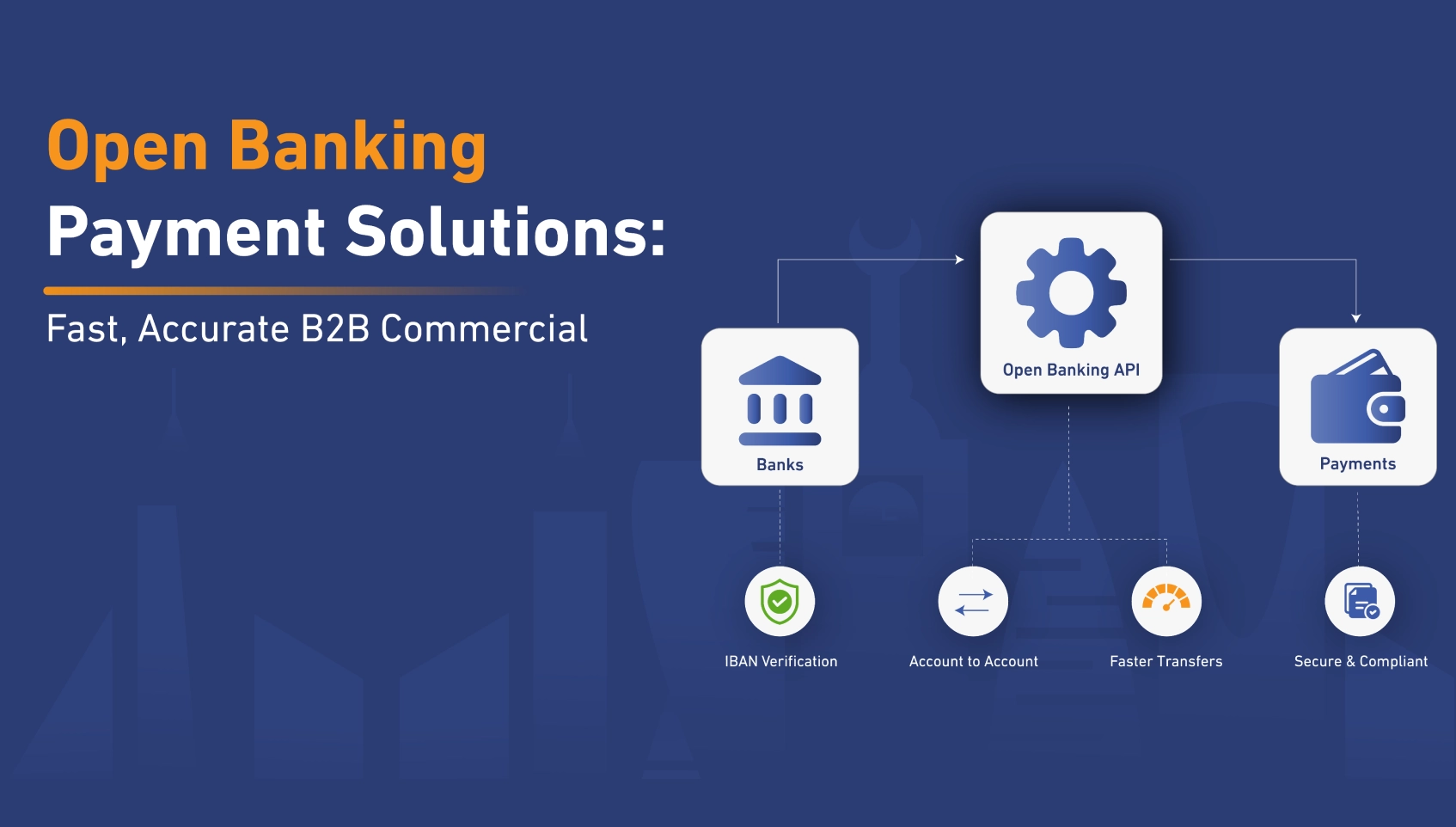
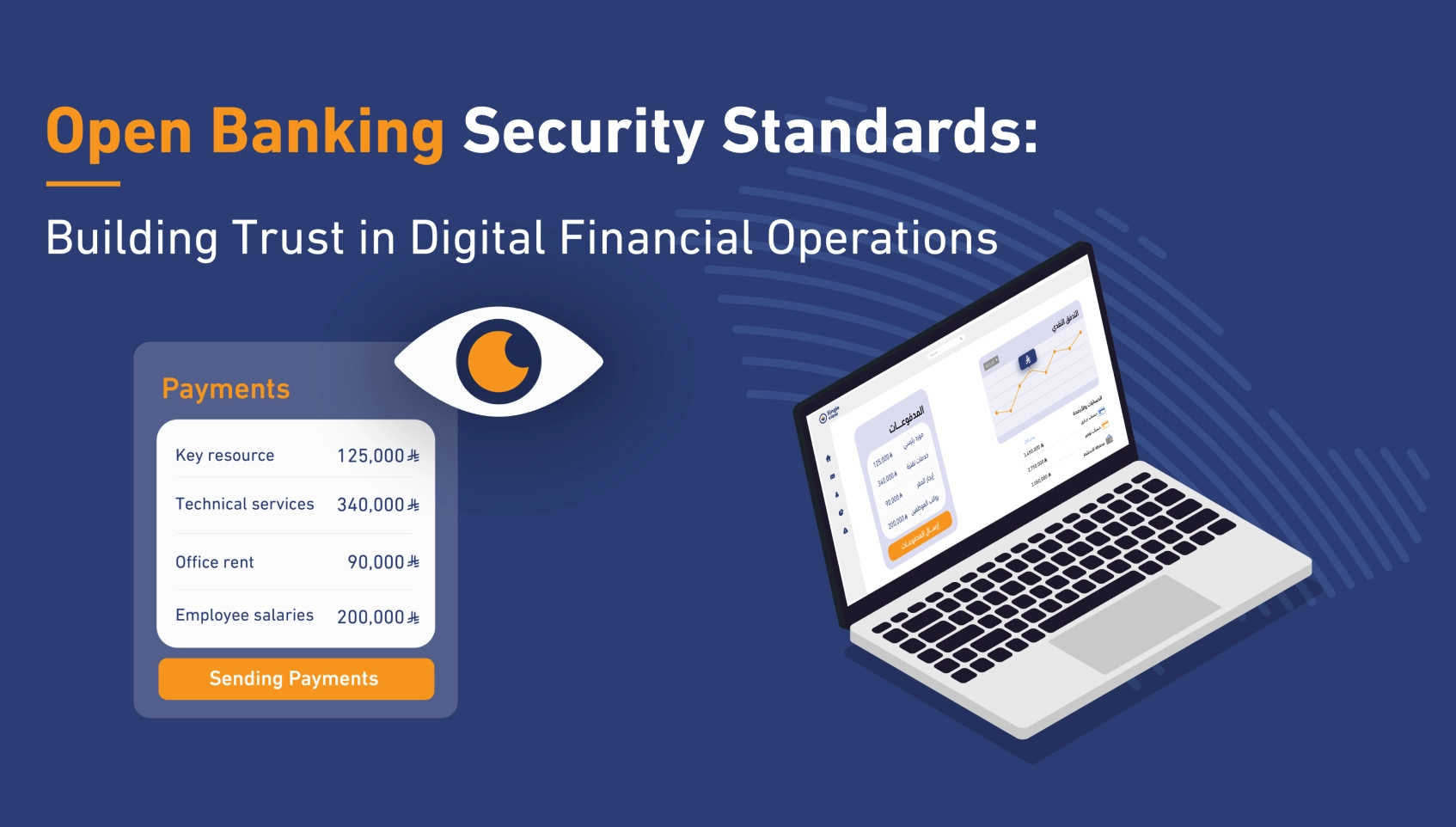
This is where Open Banking adds real value, allowing companies to interact with banking data in a structured, secure manner under clear governance. As data becomes up-to-date and accessible to authorized teams, management's ability to bridge accounting records with actual cash availability increases.
On the payment side, evaluating financial health is incomplete without ensuring beneficiary data integrity. Incorporating IBAN verification into financial data governance becomes crucial, especially prior to processing bulk payouts or recurring payments to vendors and employees.
Before asking about the strength of its financial position, a company should test the clarity of the data it relies on. The following framework helps finance teams shift from asking "What is the balance?" to "What is the right decision based on balance, liabilities, and timing?"
This framework doesn't replace formal accounting reports, but it bridges the gap between official statements of financial position and daily operational decisions. As this daily evaluation becomes routine, teams become less dependent on manual estimation and better equipped to manage liquidity with clarity.
Once a company understands its financial position and core components, the need arises for tools that provide a single view of accounts, transactions, and payments. Within corporate banking solutions, SingleView enables finance and treasury teams to manage banking data and unified financial visibility in a far more organized manner.
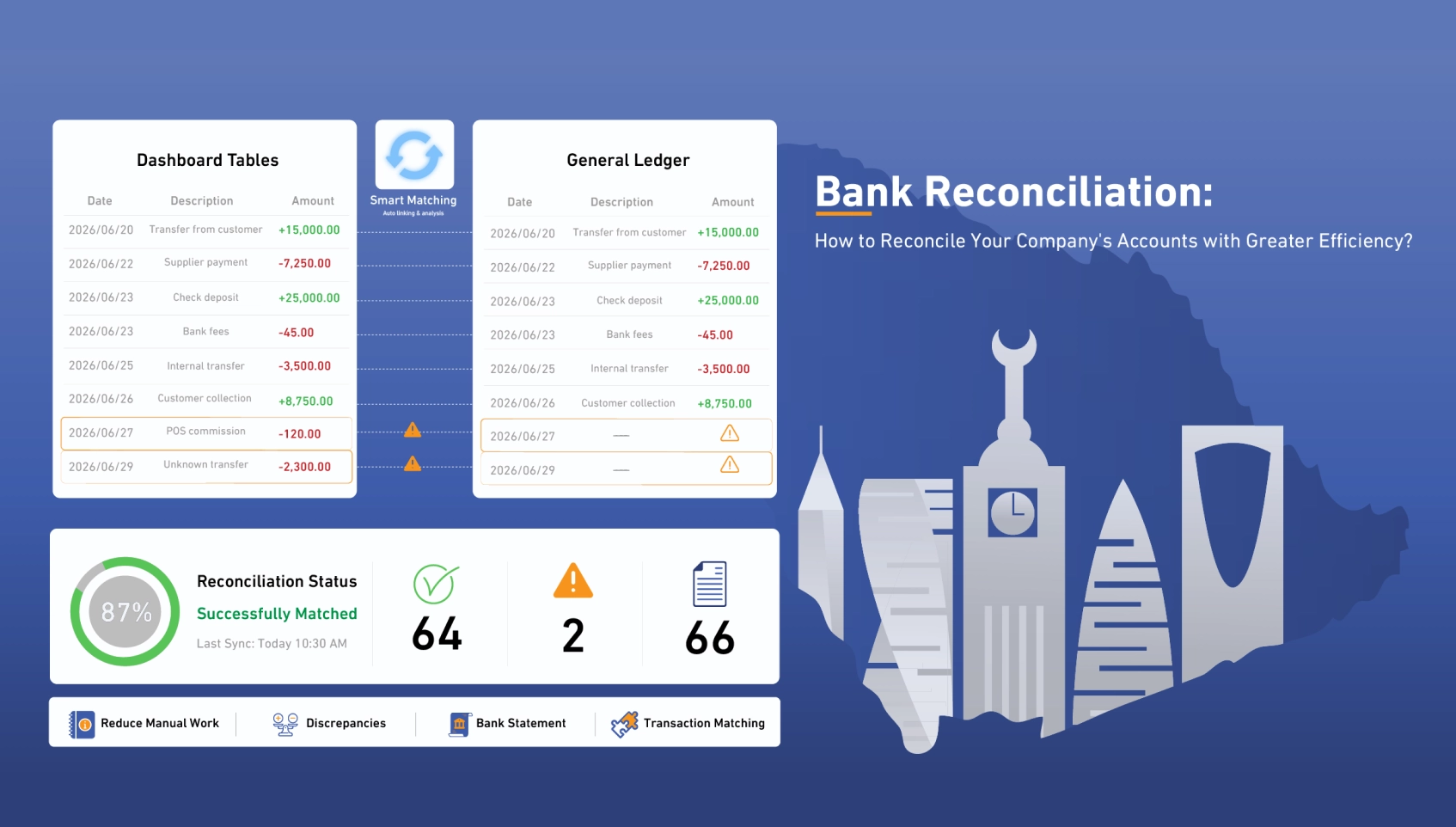
The goal isn't for software to replace human decision-making, but to reduce the time spent gathering data and performing preliminary reconciliations—allowing teams to focus on analysis, review, and approval workflows. When balances and transactions are clear, evaluating liquidity and obligations reflects real-time operational conditions.
This is particularly beneficial for businesses managing multiple bank accounts, recurring disbursements, or seeking to minimize manual friction between treasury and accounting teams. In these environments, unified visibility transitions from a technical feature into a crucial layer supporting financial decision-making.
Reading a company's financial position should not stop at period closing or statement preparation. The true operational value surfaces when management connects assets, liabilities, equity, and daily liquidity—using these insights to refine payment, collection, and bank account management decisions.
If your company manages multiple bank accounts or needs better alignment between accounting and treasury, achieving unified financial visibility is a vital next step. Explore how SingleView can support your enterprise in managing bank accounts, liquidity, and payments within a clearer decision-making framework.