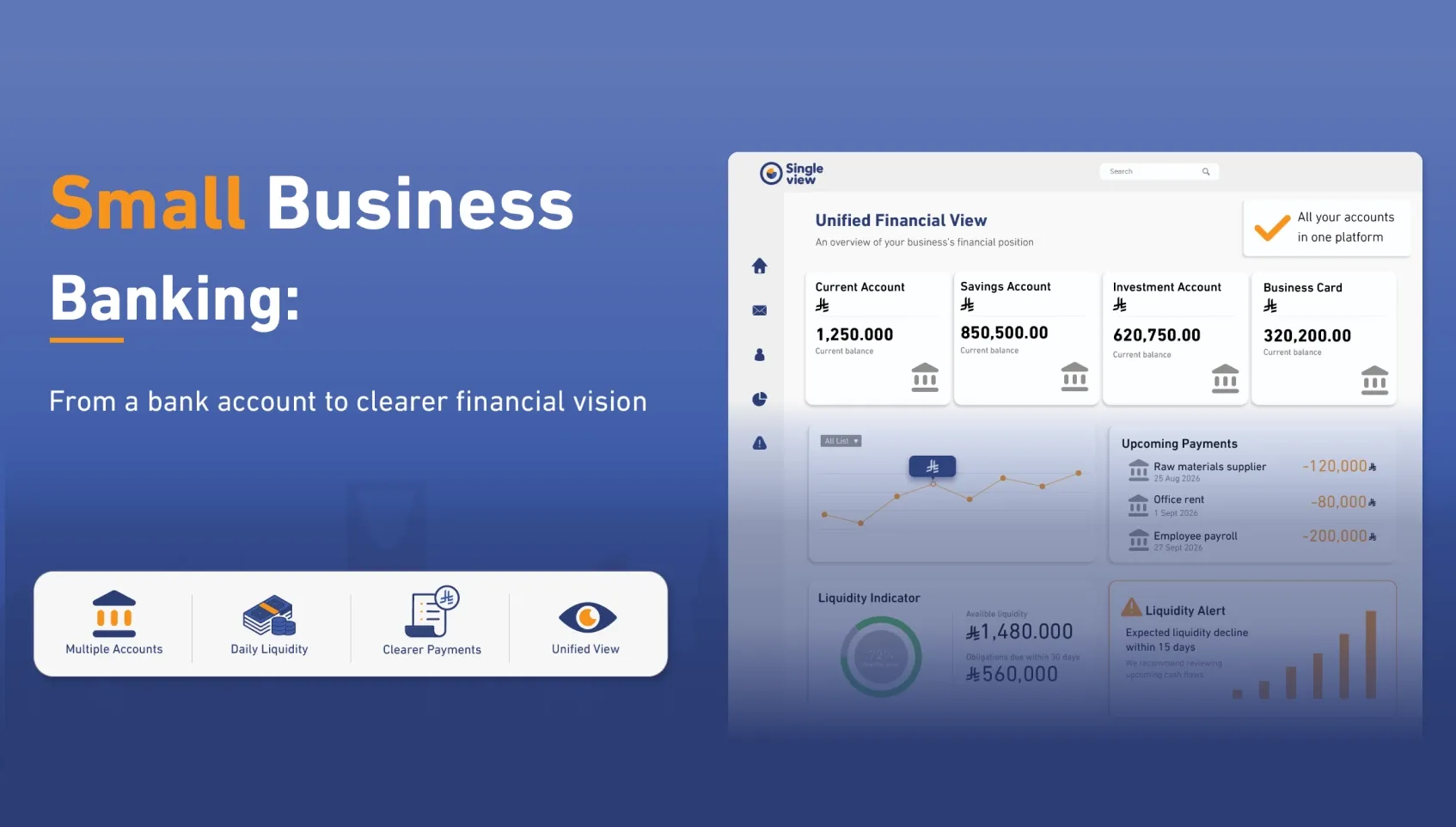
When a business's daily commitments grow, a standard bank account is no longer enough to understand the full picture. Sales might be good, but pending payments, payroll, supplier invoices, and managing multiple accounts make financial decision-making slower and less transparent. Here lies the true value of small business banking—not just as a standalone banking service, but as an entry point for comprehensive financial management.
A business owner or CFO doesn't need a laundry list of products as much as they need practical answers: Where is the liquidity? What payments are due next? Are beneficiary details correct? And can multiple bank accounts be viewed from a single place before making a purchase, payment, or financing decision?
This article looks at small business banking through an operational lens tailored to the Saudi market: account management, Cash Management, commercial payments, error reduction, and the role of Open Banking in turning financial data into actionable insights.
In practical terms, small business banking is a suite of services and tools that help an enterprise manage business accounts, financing, payments, and daily liquidity. However, its real value emerges when these services connect to a unified data view, reduce manual work, and enable the treasury and accounting teams to make faster, more disciplined decisions.
A traditional banking relationship often starts with opening an account, issuing a business card, making transfers, or applying for a loan. These are important elements, clearly highlighted on bank portals offering business accounts, SME loans, the Kafalah program, and payment services. However, these alone do not answer the daily operational question: How does the business see its current financial position right now?
The issue isn't the existence of multiple services, but rather the fragmentation of information across banks, accounting software, Excel spreadsheets, and vendor messages. Over time, the finance team is forced to compile balances manually, review beneficiary details before every payout, and reconcile transfers with invoices after execution.
This fragmentation might not look like a crisis early on, but it scales up as branches, suppliers, sales channels, or bank accounts multiply. Therefore, SME Banking or Business Banking shouldn't be viewed merely as an account and a loan, but as an infrastructure that helps the enterprise manage cash, operational risk, and daily financial decision-making.
A small business needs functional banking that bridges the gap between data and decisions. Not every enterprise needs high complexity, but most require three clear capabilities: tracking available liquidity, organizing payments, and minimizing beneficiary data errors before they turn into delays or operational costs.
Managing liquidity isn't just about knowing the current balance. More importantly, it's about understanding what will leave the accounts in the coming days, what can be deferred, and which obligations must be prioritized. When the treasury team sees multiple bank accounts in a single context, planning payroll, supplier payments, and taxes becomes significantly clearer.
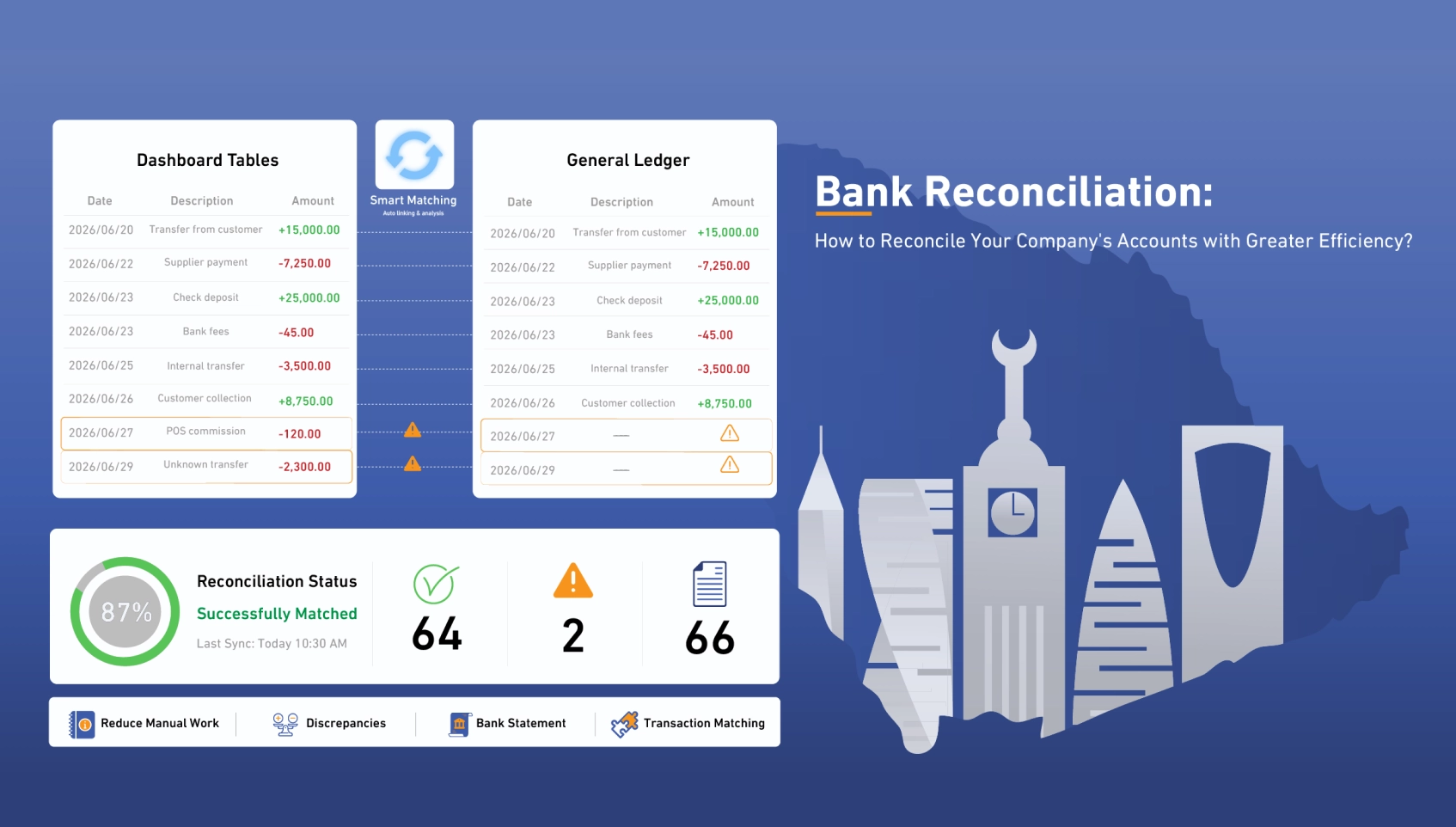
Commercial payments in small businesses may seem straightforward, but they rapidly multiply and branch out. Suppliers, rent, subscriptions, payroll, and operational expenses all require approvals and review. The more manual processes involved, the higher the risk of delays, duplicate payments, or post-execution reconciliation difficulties.
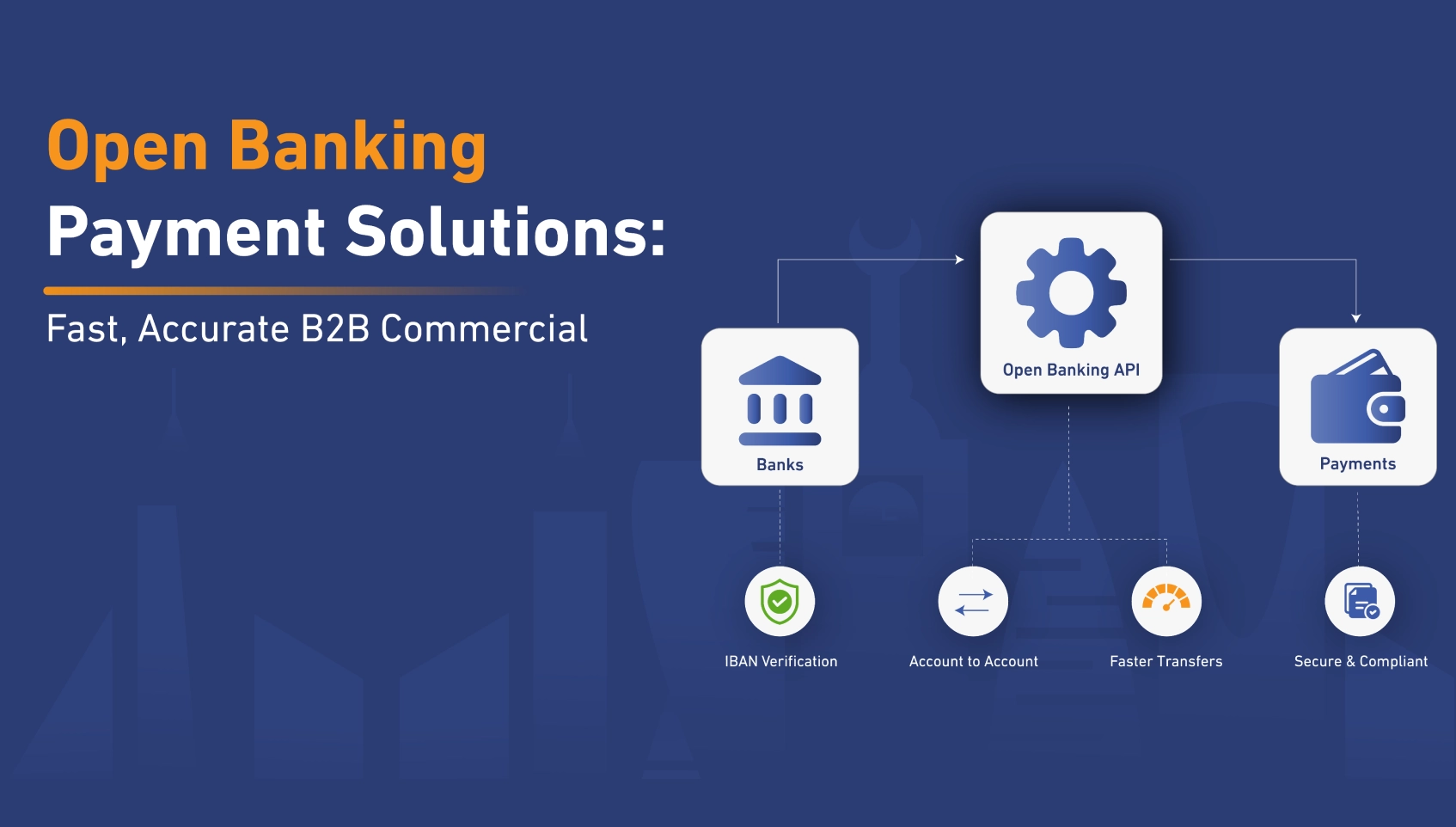
Before executing any payout, the business must ensure that beneficiary details are accurate. Here, IBAN verification becomes a crucial step, especially when dealing with new vendors or recurring payments. The goal isn't just faster disbursements, but reducing error rates and enhancing payment data quality within the company.
Finance managers and business owners can use the following framework to determine whether their current banking setup actually supports daily operations, or if it merely provides basic accounts and standard services:
| Question | What It Reveals | Recommended Action |
|---|---|---|
| Does the business rely on multiple bank accounts? | The degree of financial data fragmentation. | Consolidate the view instead of checking each account separately. |
| Are reconciliations delayed after payments? | Excessive manual work or incomplete data. | Link payments to real-time reporting and periodic reviews. |
| Do beneficiary data errors occur frequently? | Weak pre-payment validation. | Integrate IBAN verification into the payment workflow. |
| Is it hard to forecast liquidity for next week? | Lack of a practical Cash Management view. | Build routine tracking for cash flows and upcoming obligations. |
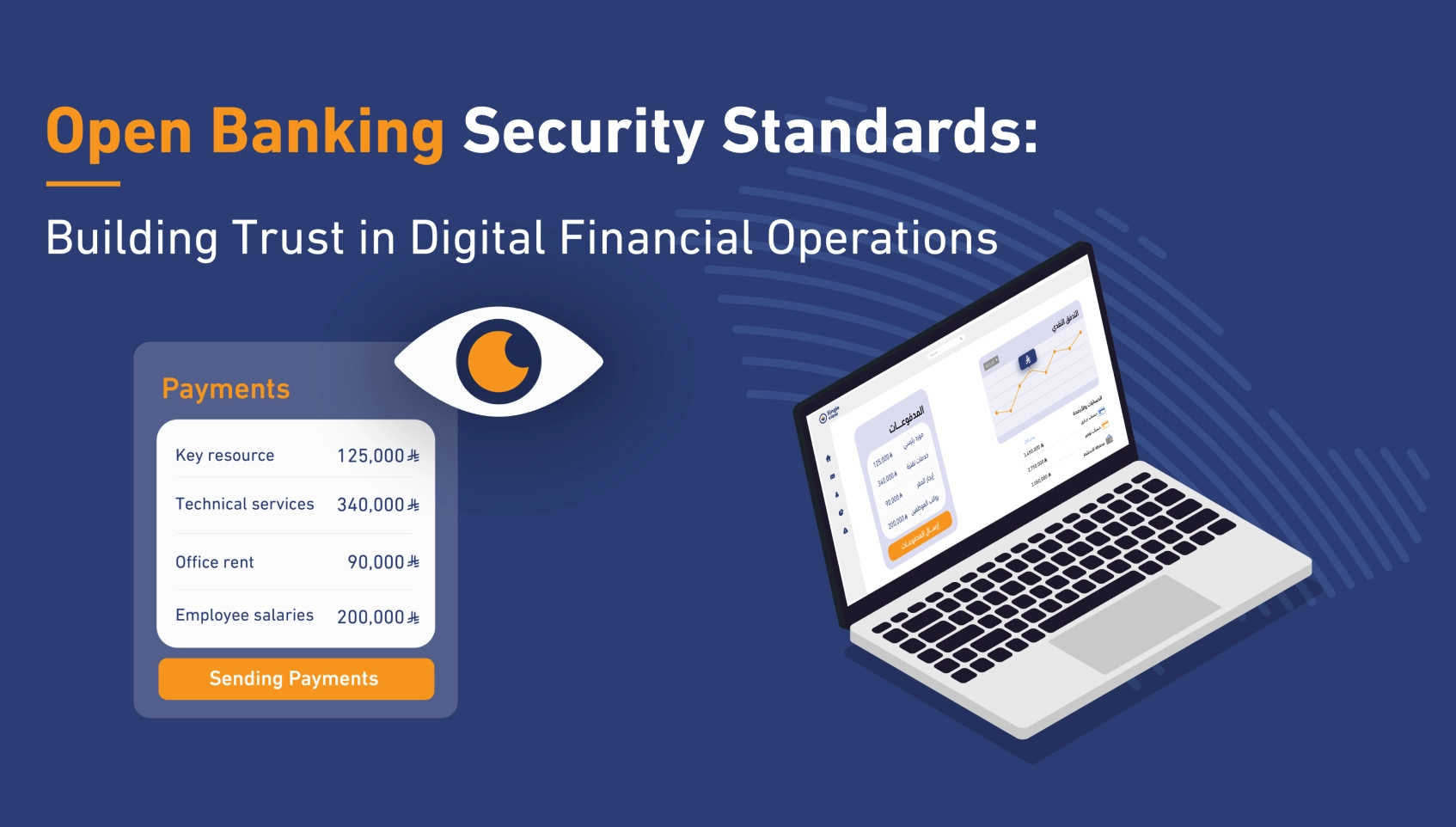
Open Banking relies on enabling customers to share their financial data securely with licensed or accredited service providers, based on explicit consent.
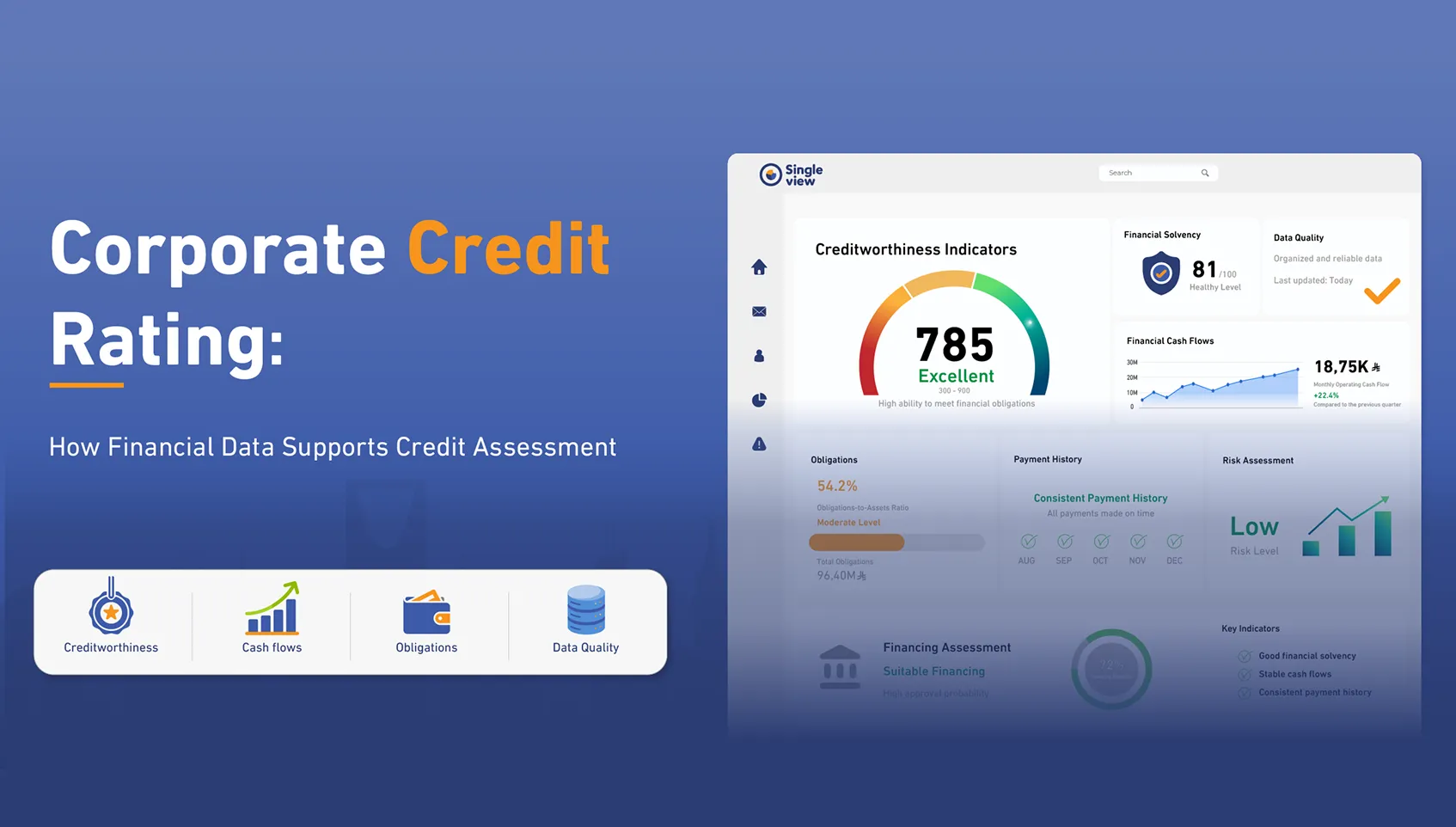
In a corporate context, this opens the door to Account Aggregation, cash flow analysis, and connecting banking data to tools that help financial management operate from a clearer single source.
In practice, Open Banking technologies bridge the distance between the bank and the decision-making tools inside the business. Instead of the team jumping between separate banking portals and disjointed reports, an integrated layer can display balances, transactions, and obligations in a way that assists Treasury and Accounting in daily monitoring.
This doesn't mean Open Banking eliminates the role of banks or financing solutions. On the contrary, it makes banking relationships far more usable within operations by aligning accounts, payments, and financial visibility into a clear workflow, rather than leaving data scattered across multiple channels.
The value of SingleView becomes evident when a business transitions from checking accounts individually to building a unified financial vision. Through solutions connected to Open Banking, companies can manage multiple bank accounts, track cash flows, and support payment and verification decisions more clearly. This directly connects to the need of many businesses for corporate banking that serves operations, rather than just handling the banking relationship.
For example, if a business maintains an operational account, a payroll account, and a sales account, the overall balance might look healthy, yet imminent commitments could drain liquidity within days. A unified view helps the team evaluate the situation before making decisions, rather than after issues appear on bank statements.
Additionally, beneficiary verification services can be embedded directly into the payment workflow, ensuring IBAN checks aren't a separate or delayed step. In this way, payments evolve from a repetitive task into a well-controlled process in terms of data accuracy, timing, and oversight.
Small business banking should not be understood as merely a bank account or a loan. A business aiming for disciplined growth requires a clearer view of its accounts, liquidity, and payments—allowing decisions to be made at the right time with minimal reliance on manual compilation.
In the Saudi market, this becomes increasingly vital with the expansion of digital solutions, Open Banking, and rising expectations for speed and precision in corporate operations. If your business relies on multiple bank accounts or diverse payment streams, a unified view could be the practical step needed to optimize liquidity and payment management. Start exploring SingleView solutions for account management, beneficiary verification, and building a clearer financial vision for your business.