In Saudi Arabia, the overarching Vision 2030 plan is built upon the three foundational pillars of a vibrant society, a thriving economy, and an ambitious nation. This ambitious roadmap aims for economic diversification and global engagement, serving as a critical driver within the Saudi Arabian economy, with the ultimate goal of propelling the country to the forefront of digital and fintech leadership
Ambition must be complemented by innovation. Innovation must go hand in hand with change, introducing new technologies or solutions into an ecosystem to realize the ambition of, in this case, a more digital economy. SAMA (Saudi Arabian Monetary Authority) has already stated their ambition, the innovation still known only to a few, is Open Banking.
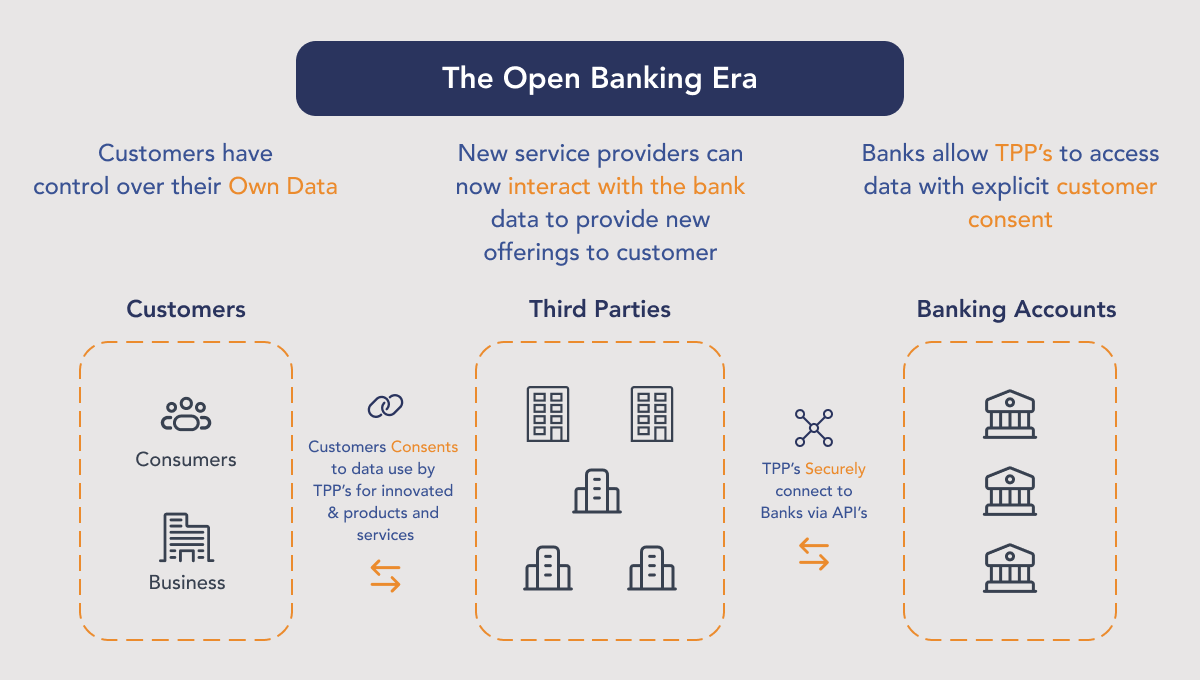
The Saudi Arabian Monetary Authority (SAMA), the kingdom's central bank, is driving the development of open banking with a clear regulatory framework, including rules governing market participation, API quality, third party certification and customer operational guidelines.
But what is the concept of open banking? Quite simply, it is about banks opening their customer data to other fintechs.
Doesn’t this already happen? In places, yes. However, the key point here is a presence of a framework detailing, who can do this, what is the standard and scope of the data available and what are the use cases.
So if it already happens, why is there a big deal about it now? Fintechs can get data from banks, this is true. However, the information they get is never of the same standard or scope, unless an agreement between the fintech and bank is in place to ensure a kind of service-level agreement (SLA. This means that any data-driven services provided by the fintech to the end customer could have inconsistency and integrity issues regarding the information.
Imagine if there were no framework for the operation of traffic lights. In one country, you would go on red, and in another country on green. Chaos would ensue! Certainly not a great experience.
In comes open banking to try and make sense of the chaos and bring harmony and innovation to a world where data is increasingly becoming the new gold.
Open banking involves collaboration among banks, fintech companies, and other players in the financial landscape. The system allows third-party providers (known as TPPs) to access financial data from banks through application programming interfaces (APIs). Clients (known as PSUs – Payment Service Users) control what data under strict and explicit consent.
Open banking APIs offer numerous products and services that make more efficient use of financial transactions and enable a more cost-effective payment acceptance option. Here are some examples of open banking APIs developed by fintech providers:
The potential for developing new open banking products and services is practically limitless, bound only by the regulated data restrictions of the KSAOB standards.
Open banking aims to put the client (an individual or a business) in control of their financial data and give fintechs access to a customer base for which they were restricted. The APIs are designed to make better use of the data held by banks. Think of turning a stone into gold but replacing the stone with bank data and the gold into rich insights. Open banking also promotes financial inclusion by granting access to financial services for previously unbanked or underbanked people and small businesses.
Saudi Arabia has opted for a regulated and phased introduction of open banking. The robust regulatory framework ensures compliance with data protection laws and secure financial data sharing.
While the benefits seem clear, there are several challenges (outside of SAMA finalizing the regulative framework) that have put the brakes on the adoption of open banking in KSA, for example:
Adopting open banking depends on cultural and market readiness. It is crucial to build trust and alter the banking culture to overcome resistance from traditional banking institutions and embrace open banking across all sectors.
Open banking in Saudi Arabia is starting to transform the financial services landscape by driving innovation, improving customer experiences, increasing efficiency, fostering competition, and promoting financial inclusion. As more financial institutions embrace open banking, the innovations will benefit consumers, businesses, and the economy as a whole.
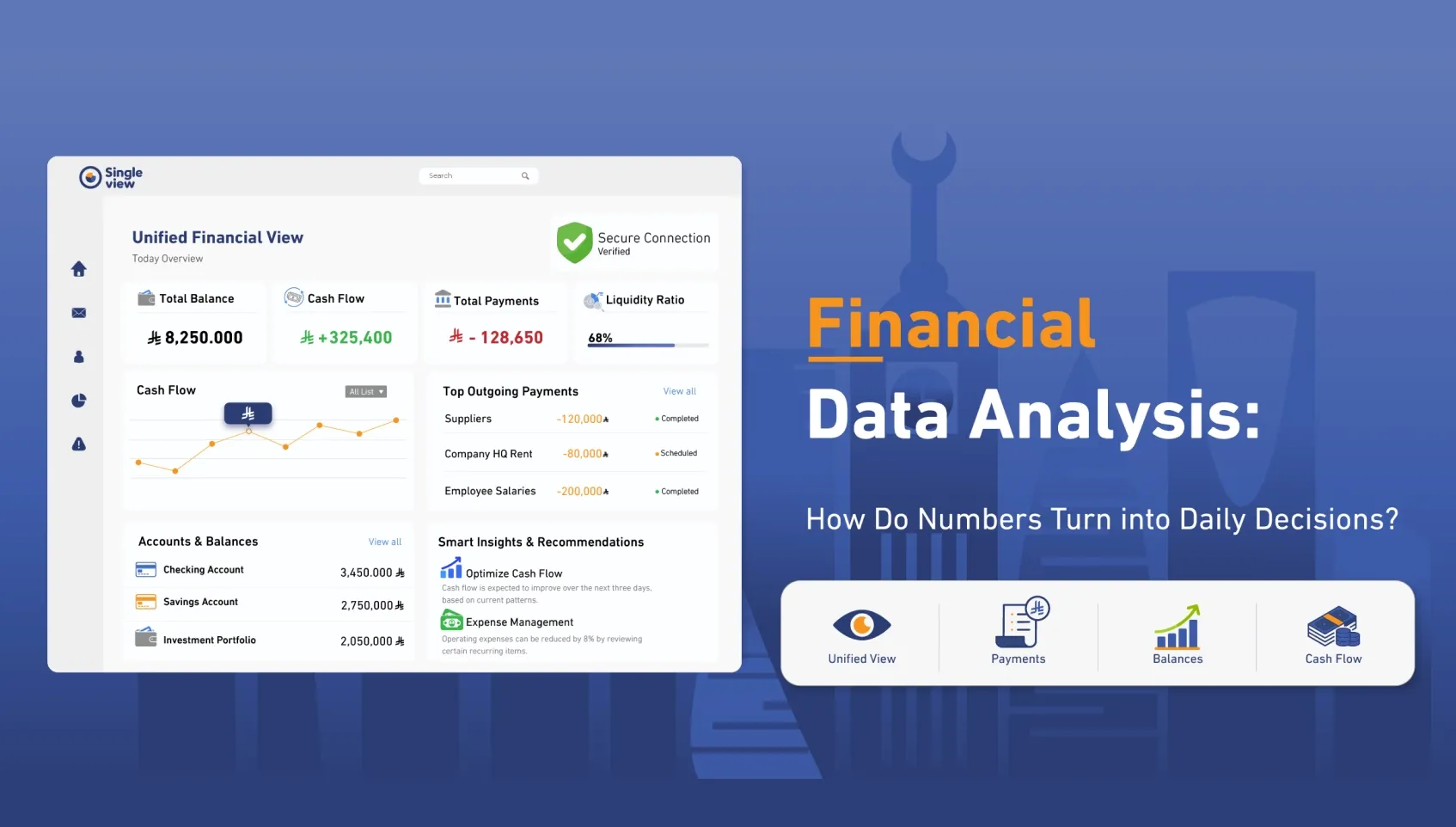
The country has already launched the first phase of open banking, focusing on Account Information Services (AIS), which allows customers to consolidate their financial data from multiple sources into a single view for better financial management.
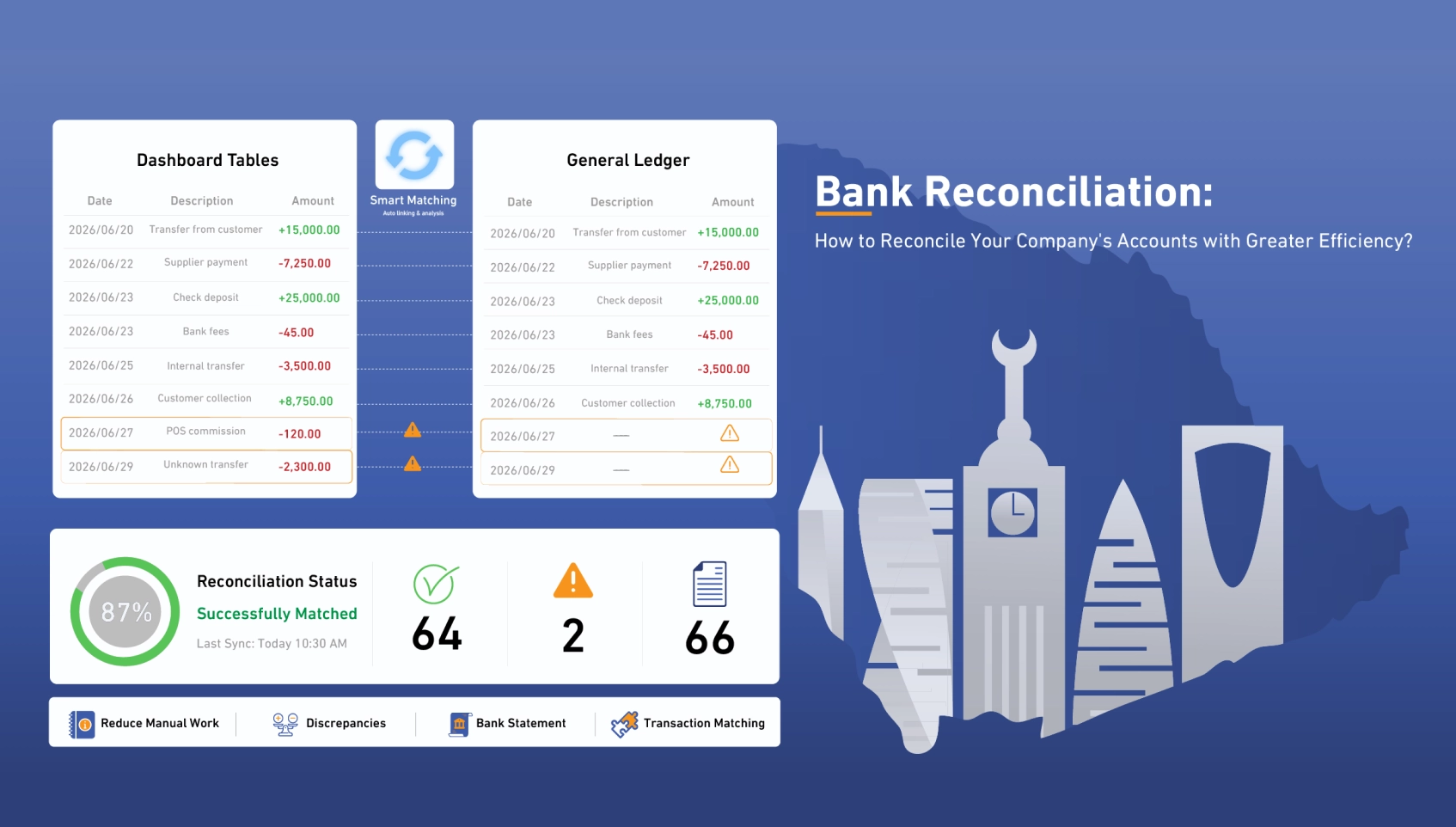
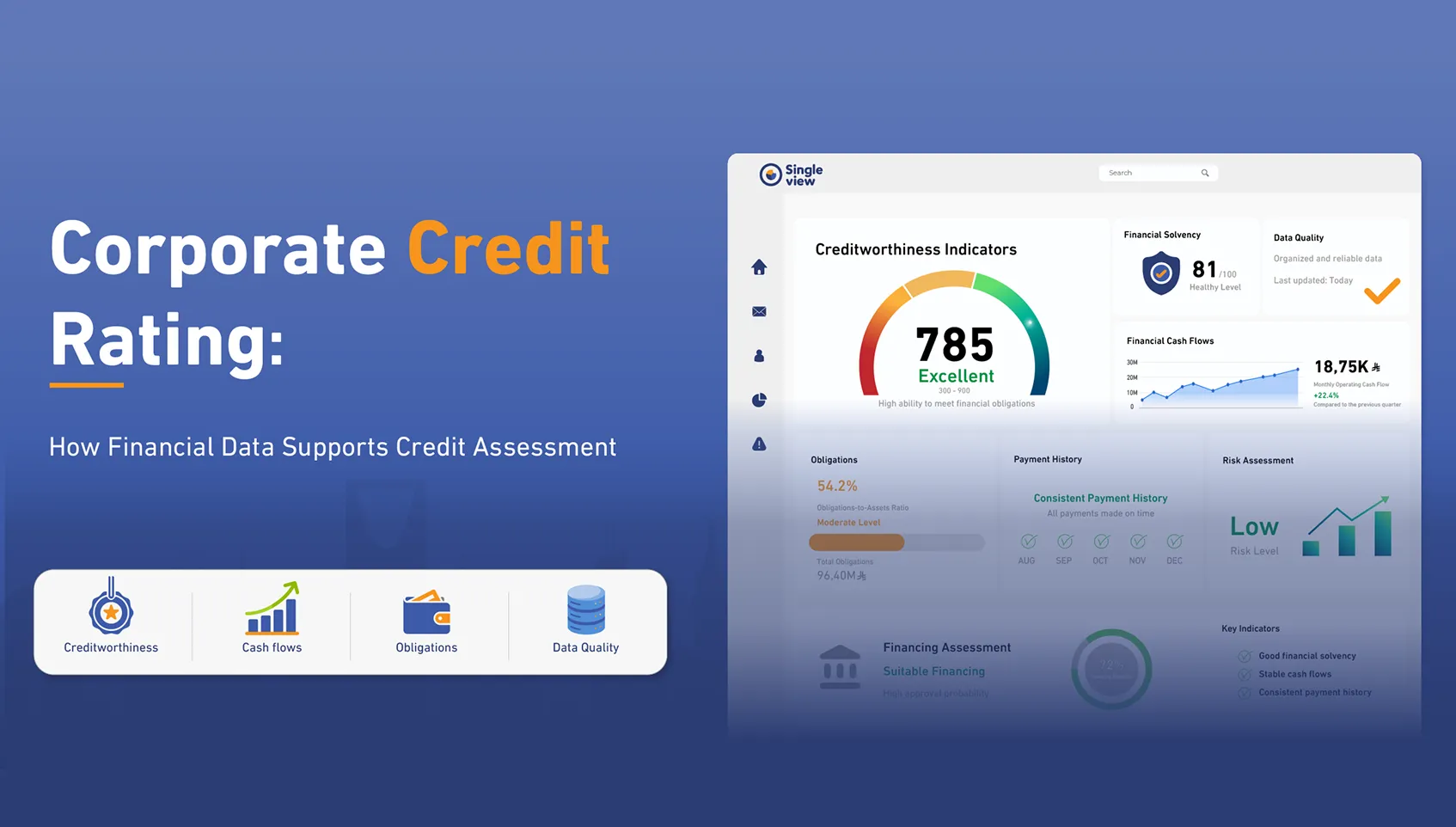
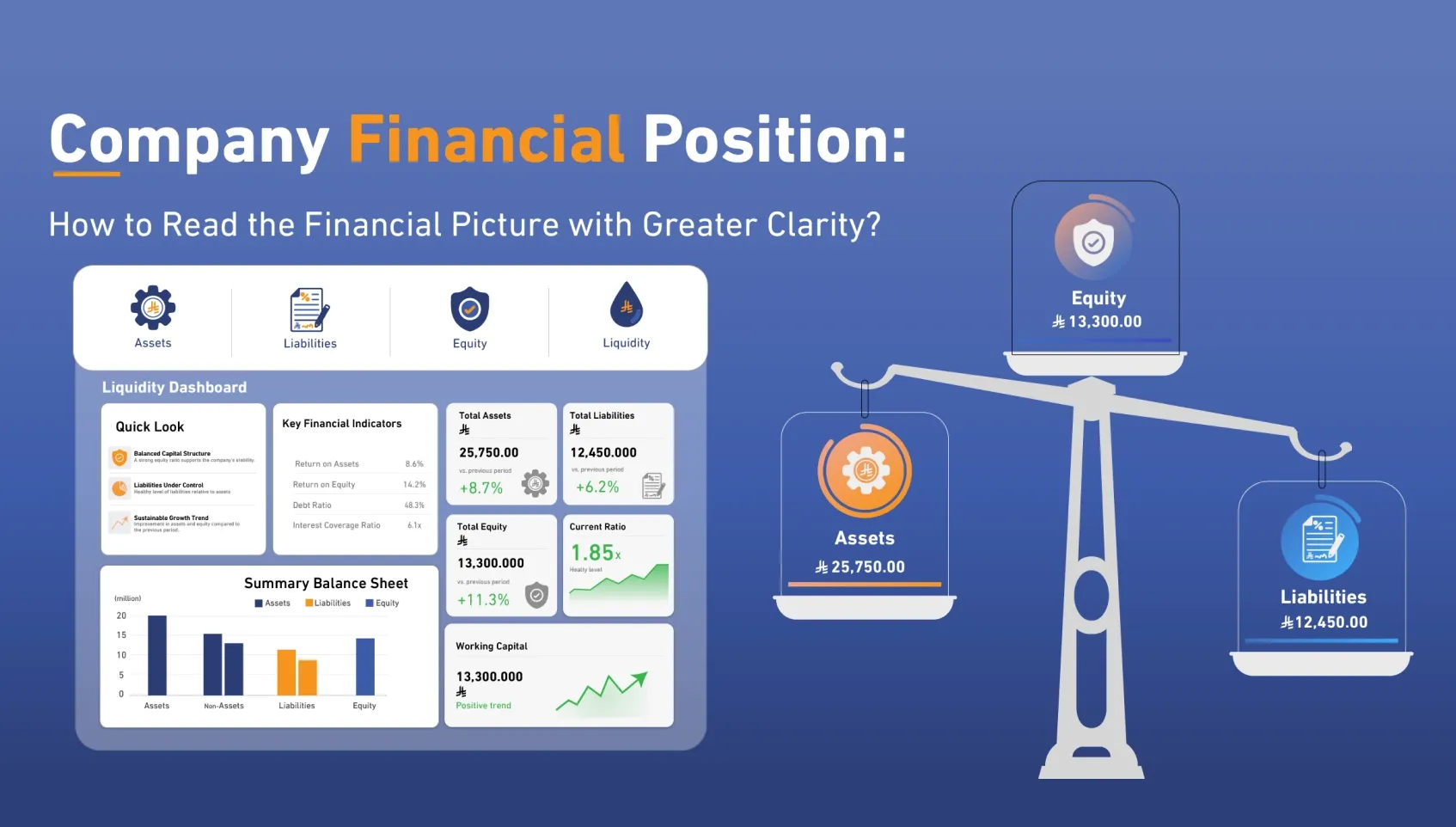
Beyond the familiar use cases introduced by SAMA such as account aggregation, personal financial management (PFM), credit insights, e-statements, enterprise financial management, tax filing, and letters of guarantee, there are additional, lesser-known applications of open banking that hold immense potential for both financial institutions and consumers.
One thing they introduced is extended customer attributes. This means that providers are looking at more than just our banking information, they are also looking at things like how customers behave and what they are like as people. This can help them provide better advice about money management and keep accounts safer.
The extended customer information can also help banks figure out who is using their services and create specialized offers to those people with creative personalised marketing strategies. All these new ideas are making banking better for everyone in Saudi Arabia. They are making it easier, more personal, and safer and we can expect even more exciting changes in the future.
The Saudi Arabia-based AISP SingleView is at the forefront of the movement revolutionizing financial services. SingleView is a fintech company that delivers financial technology solutions across various sectors, with a strong focus on delivering open banking solutions. The company leverages technological innovations to optimize financial processes and procedures, emphasizing speed, flexibility, and accessibility in a secure environment. Having successfully implemented standards and regulatory requirements, SingleView operates under the Saudi Central Bank open banking framework.
The success of SingleView is based on providing a simplified and intuitive customer experience with a vision to transform the financial industry into a diversified and effective sector that supports the national economy. In 2023, SingleView was recognized as The Most Innovative Open Banking Solution Provider in Saudi Arabia at the 11th International Finance Ceremony in Dubai, UAE.
SingleView takes pride in meeting and anticipating customers’ expectations. Schedule a demo and discover how SingleView can empower you to advance your financial well-being while ensuring maximum security and privacy.