In Saudi Arabia, the overarching Vision 2030 plan is built upon the three foundational pillars of a vibrant society, a thriving economy, and an ambitious nation. This ambitious roadmap aims for economic diversification and global engagement, serving as a critical driver within the Saudi Arabian economy, with the ultimate goal of propelling the country to the forefront of digital and fintech leadership
Ambition must be complemented by innovation. Innovation must go hand in hand with change, introducing new technologies or solutions into an ecosystem to realize the ambition of a more digital economy. One such innovation is Open Banking, which is transforming various aspects of the financial landscape, including credit risk assessments.
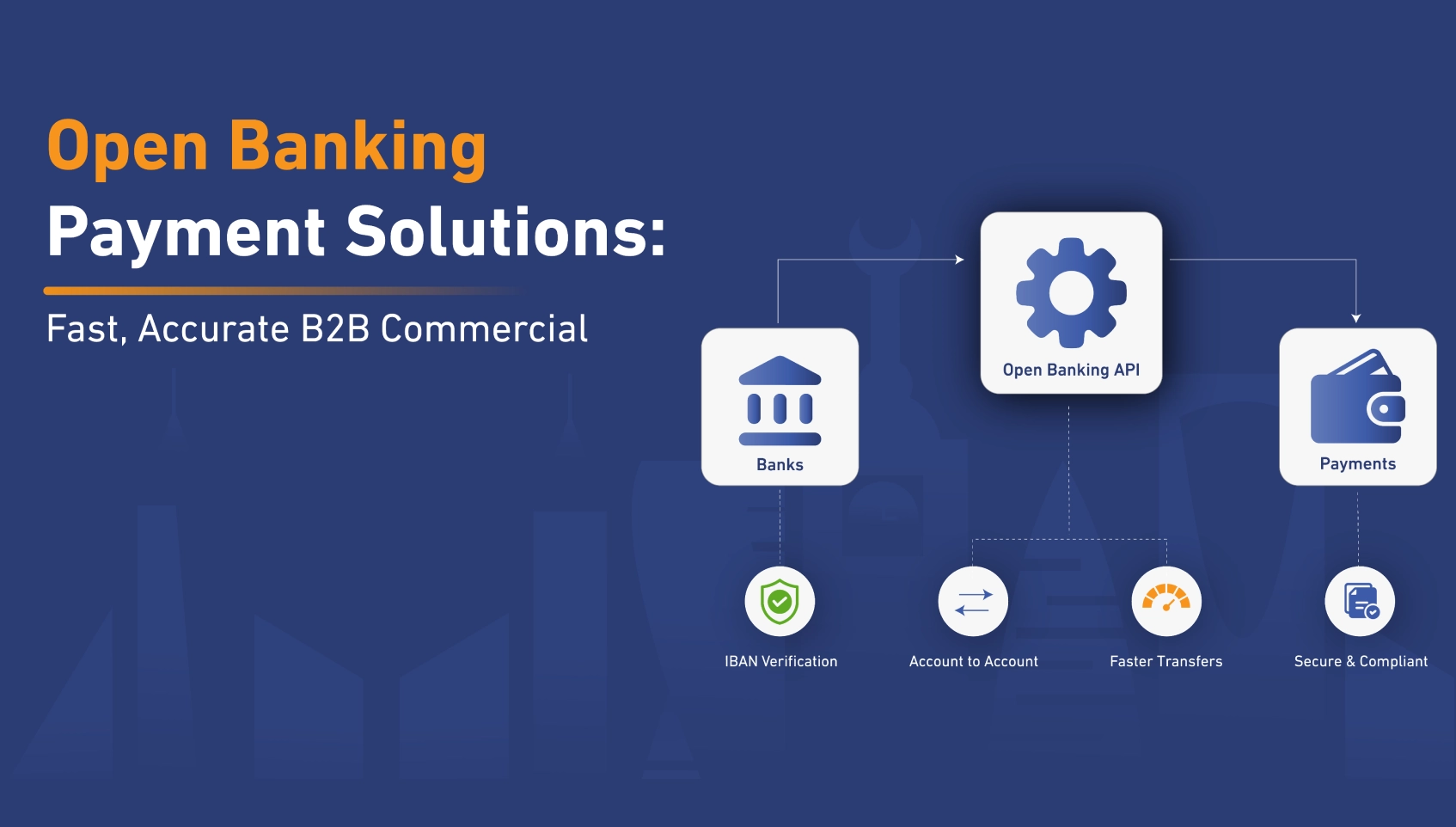
The Saudi Arabian Monetary Authority (SAMA), the kingdom's central bank, is driving the development of open banking with a clear regulatory framework. This includes rules governing market participation, API quality, third-party certification, and customer operational guidelines. But what exactly is open banking? Quite simply, it is about banks opening their customer data to other fintechs under strict and explicit consent.
Lending inherently carries risks, with borrowers potentially defaulting on their financial obligations at any time. Assessing the probability of default is crucial for financial institutions. Traditionally, they have relied on:
While these methods can be accurate, they are often inefficient.
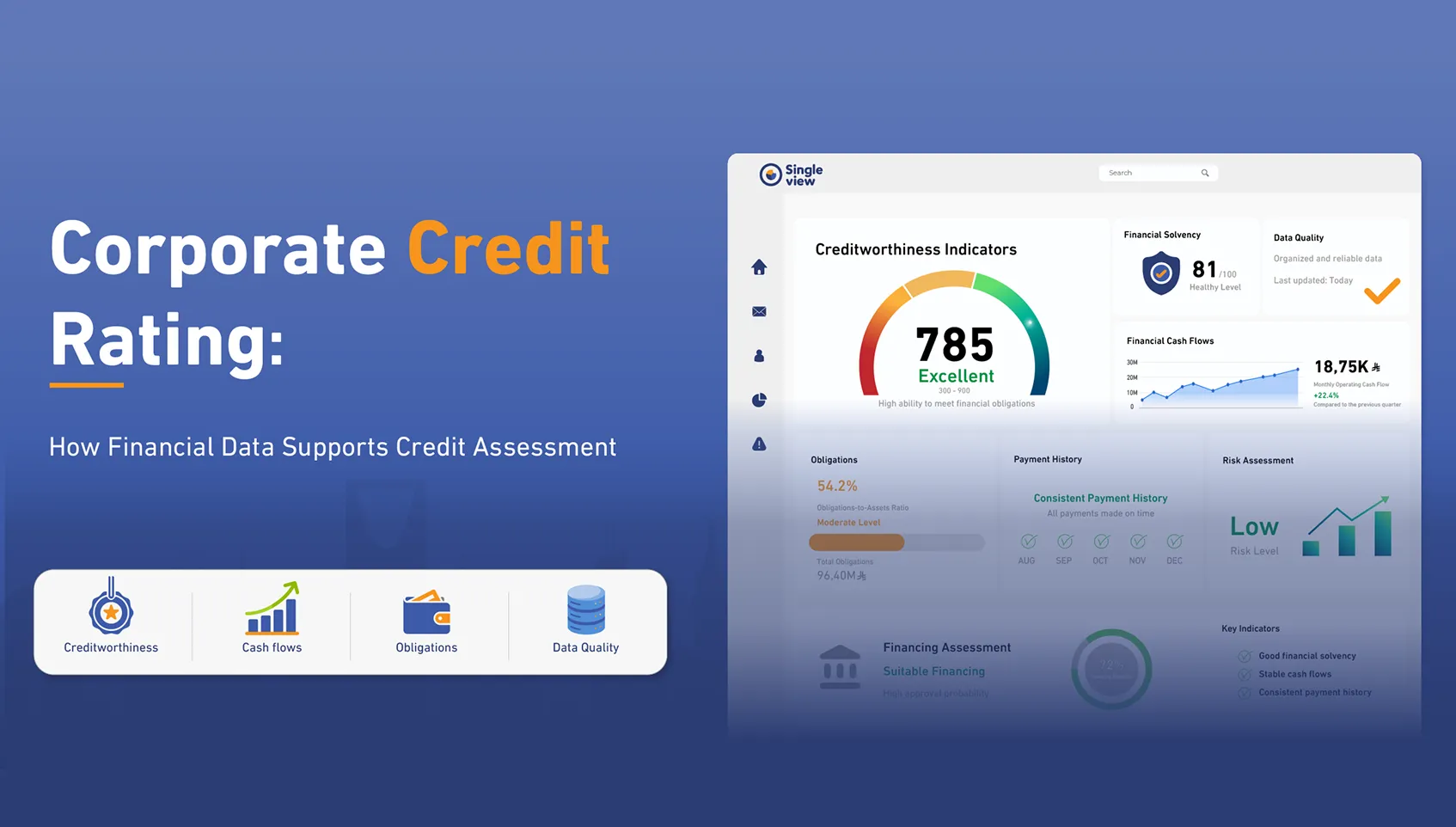
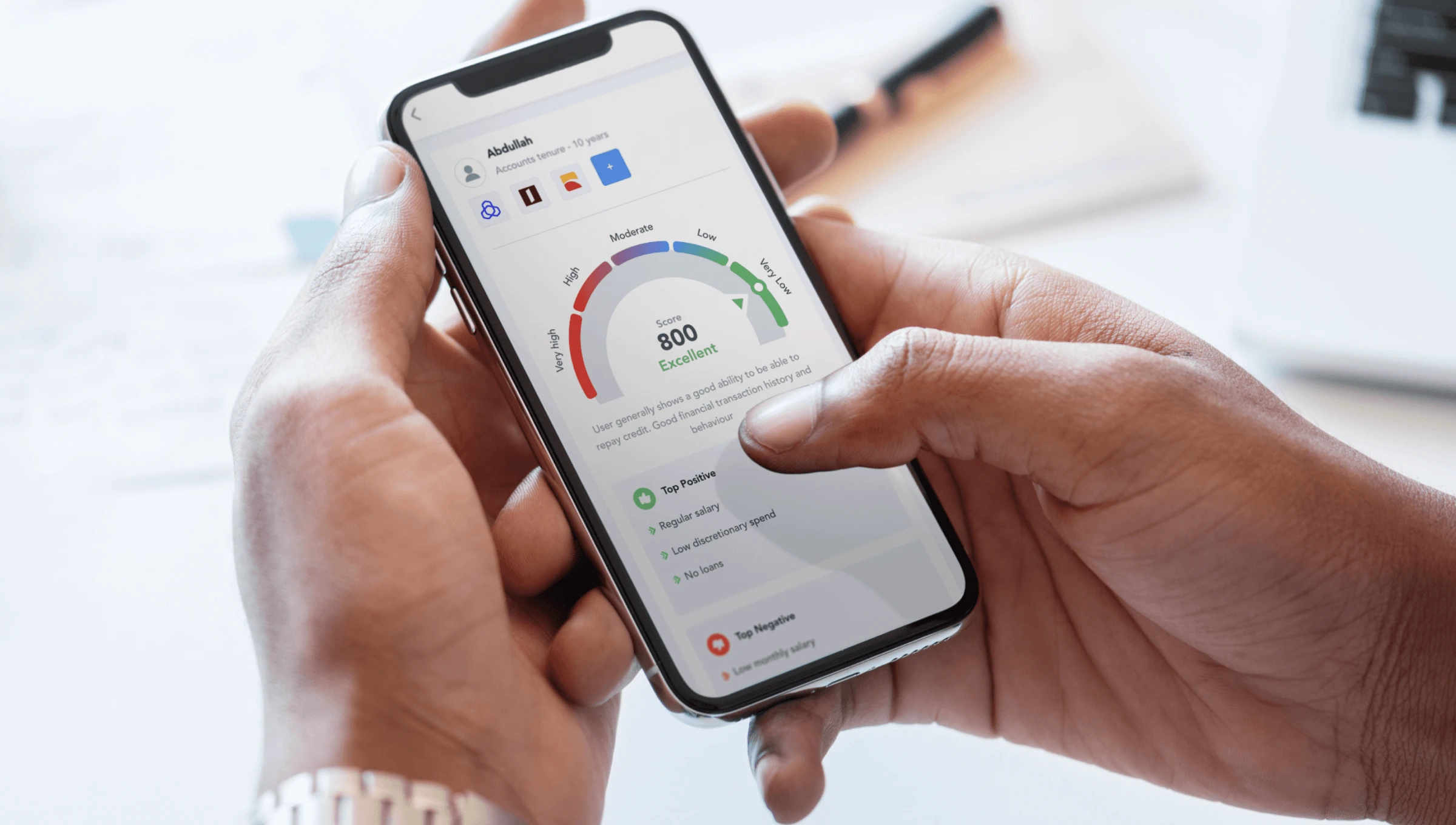
Open banking allows financial institutions to access real-time bank data from borrowers. This data includes credit card and loan repayment behavior, balances, spending habits, income, and other personal information. These insights provide a detailed picture of a borrower's behavior, affordability, and financial stability.
A comprehensive overview allows for an in-depth assessment, resulting in a transaction-based probability of default score. Combined with the credit score from credit bureaus, this approach offers a holistic view of the risk profile before making a lending decision. Open banking also facilitates risk profiling and addresses individuals or corporates with thin or nonexistent credit bureau files, promoting financial inclusion in the Kingdom.
The use of open banking for credit risk assessment is still in its early stages but has the potential to revolutionize how financial institutions make lending decisions. It also broadens customer eligibility, enabling more individuals and SMEs to access financial products.
By using open banking technology, businesses can offer innovative solutions to customers. Open banking helps companies better understand their customers and develop new products and services designed to meet particular needs.