goTop

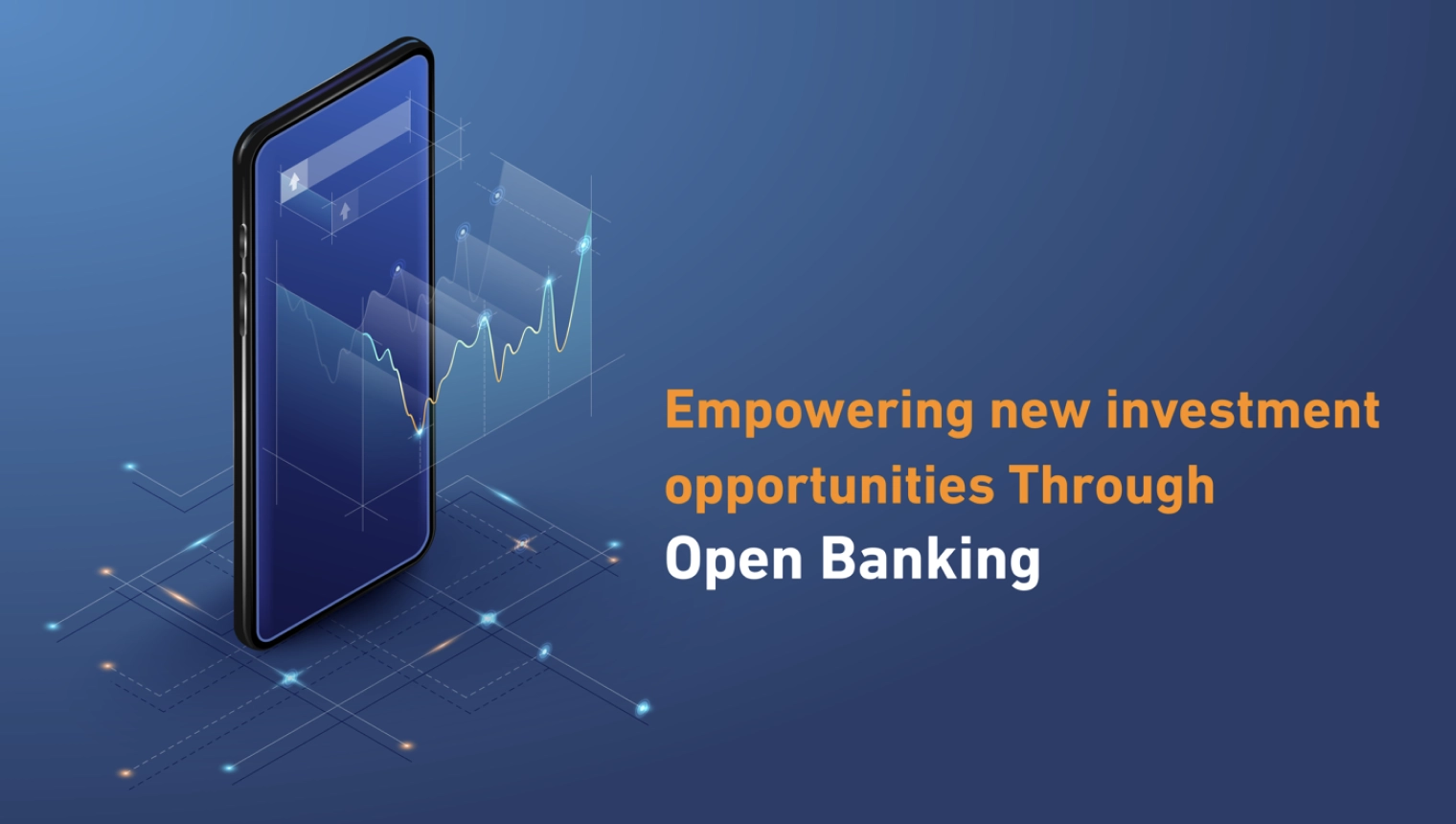
Empowering new investment opportunities Through Open Banking

author
Nosaibah Alshinqiti
Published on Feb 07, 2025
Why Saudi Businesses Are Adopting Open Banking: A Deep Dive into PIS and Its Advantages

With the rapid development of financial technology and digital transformation witnessed in recent years, open banking has become a cornerstone in reshaping the financial sector in Saudi Arabia. This transformation not only enhances the quality of financial services but also paves the way for innovative and diverse investment opportunities. Open banking relies on data sharing between banks, financial institutions, and fintech companies through Application Programming Interfaces (APIs), creating a fertile environment for innovation and investment.

Understanding Open Banking:

Open banking is a modern banking practice that allows third-party financial service providers (TPP) secure access to customers’ banking and financial transaction data through APIs. This access is granted only after obtaining the customers’ explicit consent, enabling the development of innovative financial products and services tailored to their needs. This approach boosts market competitiveness and redefines the relationship between banks and customers.

Facts and Figures About Open Banking and Fintech in Saudi Arabia:

  • Growth in Fintech Companies: Since the launch of the “Fintech Saudi” initiative in 2018, the number of fintech companies in the Kingdom has increased 20.7 times, reaching 207 companies by November 2023, exceeding the 2023 target by 138%. Maaal
  • Growth in Fintech Investments:Investments in the fintech sector reached $400 million over 12 months, with the number of companies increasing by 79% compared to the previous year. Wamda
  • Fintech Market Projections:The fintech market in Saudi Arabia is expected to reach $43.78 million in 2024, with a compound annual growth rate (CAGR) of 12.14%, reaching $77.63 million by 2029. Mordor Intelligence
  • Launch of the Open Banking Regulatory Framework:The Saudi Central Bank issued the regulatory framework for open banking, enabling banks and fintech companies to provide innovative services and strengthening partnerships between financial institutions and technology companies. Argaam
  • Second Edition of the Open Banking Framework:The Saudi Central Bank announced the release of the second edition of the open banking framework, focusing on payment initiation services to foster innovation in financial services.

Investment Opportunities Offered by Open Banking:

  1. Development of Innovative Financial Applications
    Open banking enables the creation of tailored financial applications, including:
    • Personal Finance Management (PFM) tools.
    • Expense analysis and budgeting apps.
    • Directed savings and investment services.
    The growing demand for such solutions provides startups with significant opportunities to develop applications that cater to diverse customer segments.
  2. Expansion in Alternative Lending Services
    Open banking allows investors to enter the alternative lending sector by using financial data for more accurate creditworthiness analysis. These services include:
    • Microloans.
    • Crowdfunding.
    • Buy Now, Pay Later (BNPL) solutions.
    These opportunities cater to individuals and small businesses underserved by traditional banking systems.
  3. Partnerships Between Banks and Fintech Companies
    Open banking fosters the need for stronger partnerships between banks and fintech companies to develop innovative solutions. Investors can seize this opportunity by funding fintech startups or engaging in strategic collaborations with banks to create added value in the financial market.
  4. Investment in Cybersecurity and Data Management
    As open banking adoption increases, so does the demand for robust data security solutions. This includes investments in:
    • Advanced encryption technologies.
    • Digital identity management tools.
    • Fraud detection solutions.
    These areas present massive opportunities for companies and investors interested in securing financial data.
  5. Financial Customization Services
    Open banking facilitates the creation of personalized financial services that meet unique needs, such as:
    • AI-driven investment recommendations.
    • Custom savings plans designed based on customers’ financial data.
    Investing in these solutions promises lucrative returns as demand for personalized financial experiences grows.
  6. Digital Financial Advisory Services
    Open banking simplifies the provision of digital financial advisory services based on accurate data, offering opportunities for advisory firms and investors to enter this sector.
  7. Digital Payments and Integration with Open Banking
    The demand for digital payment solutions integrated with open banking platforms, such as digital wallets and mobile payment services, is on the rise. Investors can tap into this thriving market by investing in digital payment companies.

Conclusion:

Open banking represents a strategic turning point in the financial sector, redefining the relationship between financial institutions and customers by fostering innovation and enhancing competitiveness. This modern approach is not merely a step toward improving traditional financial services but a gateway to a future rich with investment opportunities.

Demo Booking Simplified: As Easy as a Click

Advanced cash management platform for enterprises that enhances efficiency, privacy, security, manage, and grow!
author
Nosaibah Alshinqiti
  • Creative Content Writer at SingleView
NosaibahAlshinqitiDescMin... NosaibahAlshinqitiDesc showMore
linkedin
openBankingPaymentSolutionsMainTitle
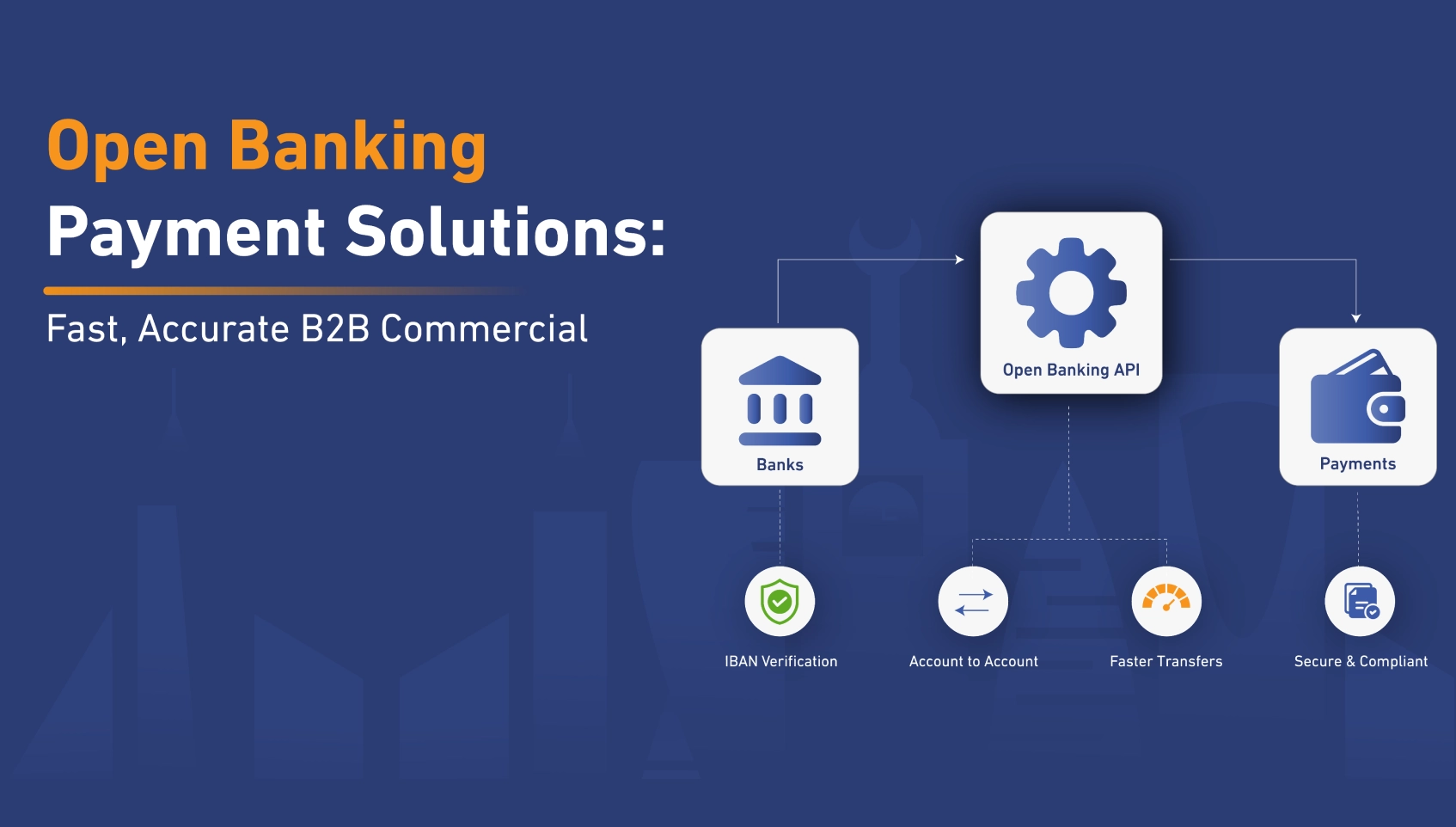
Open Banking Payment Solutions: Fast, Accurate B2B Commercial TransfersRead more
openBankingSecurityStandardsMainTitle
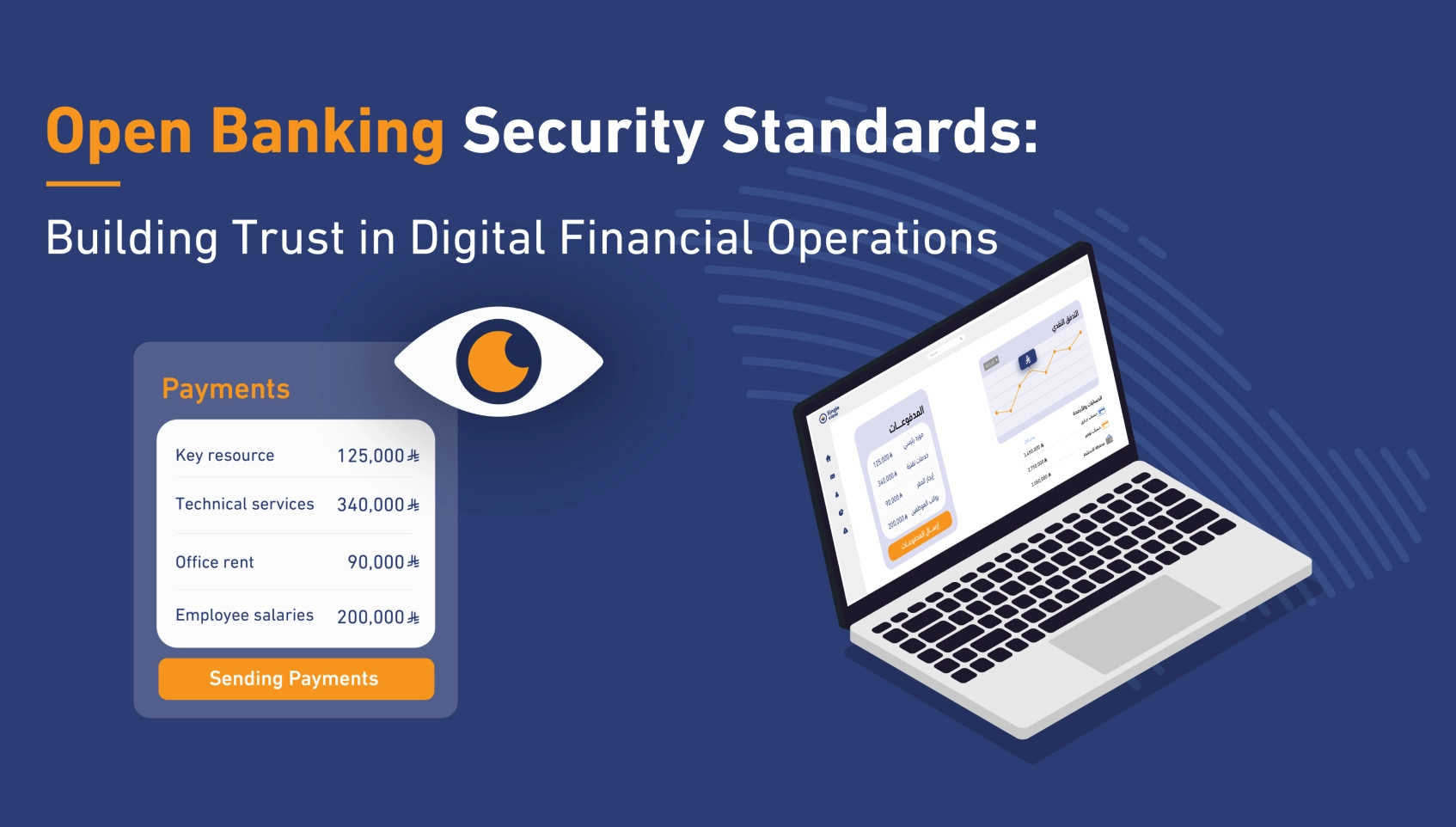
Open Banking Security Standards: Building Trust in Digital Financial OperationsRead more
bankReconciliationMainTitle
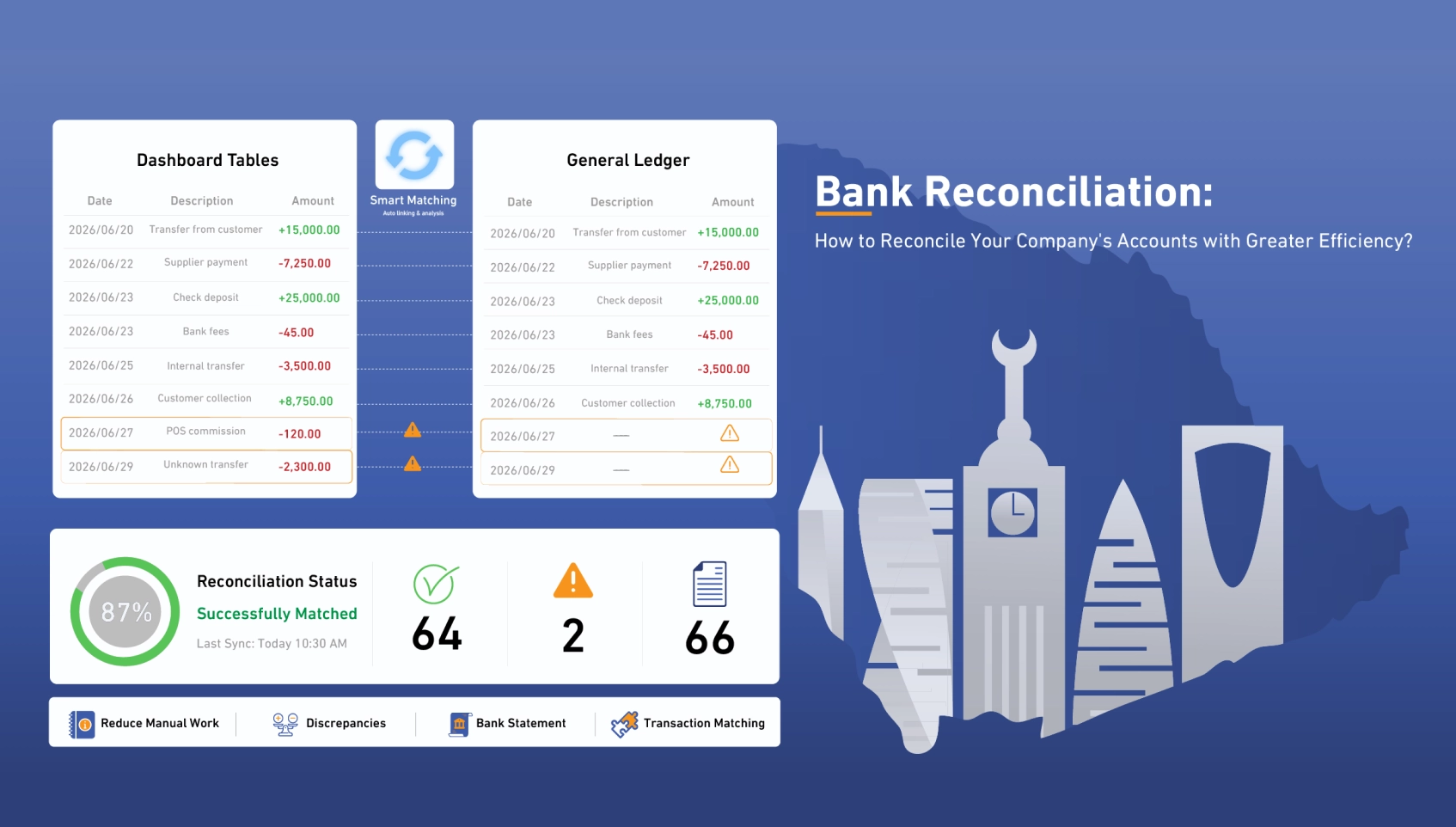
Bank Reconciliation: How to Reconcile Your Company's Accounts with Greater Efficiency?Read more
corporateCreditRatingMainTitle
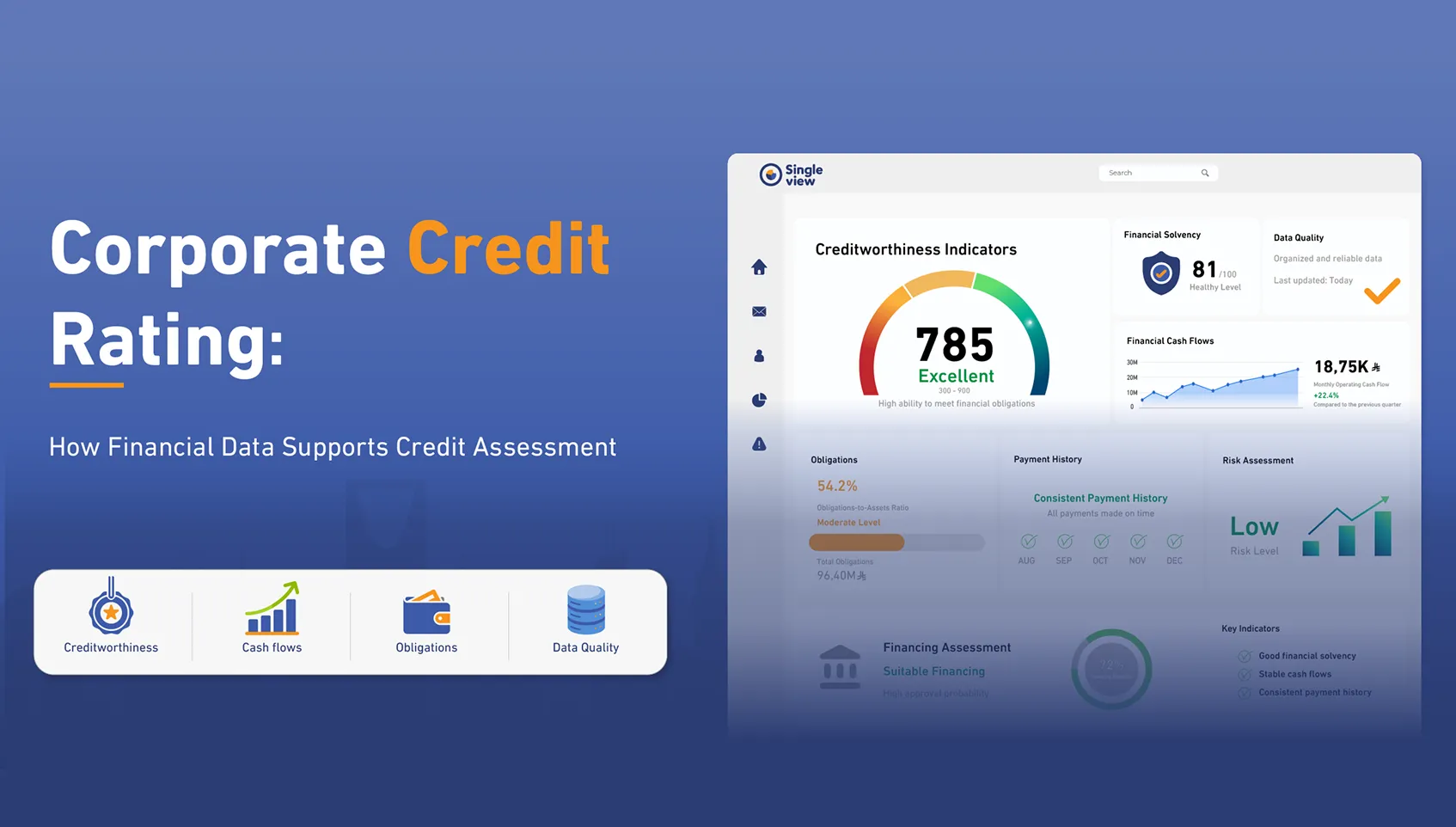
Corporate Credit Rating: How Financial Data Supports Risk AssessmentRead more
Read more